Oregon’s surf is often described with a shrug and a warning: cold water, heavy currents, and wind that can turn a pleasant session into a test of endurance. That reality forces Pacific Northwest surfers to treat gear as functional equipment, not fashion. It’s also why men’s swim shirts reviewed on The Surfing Village matter for layering decisions here. Before you buy anything, you need to understand how Oregon’s specific coastal conditions — water temperature, wind patterns, and sun exposure — directly change what you should wear. The following breakdown explains those relationships and helps you make practical choices for your next session.
Quick Answer
Oregon’s coastal conditions shape surf gear choices mainly through consistently cold water (often 50–58°F), strong prevailing winds, and long periods of overcast or misty weather. That means wetsuits are the core layer, not swim trunks. Men’s long-sleeve swim shirts function best as rash guards under a wetsuit, as sun protection during warmer breaks, or as an outer layer in summer when water is still cold but air is mild. Wind and air temperature often matter more than swell size when deciding between a 3/2mm, 4/3mm, or 5/4mm wetsuit and whether to add a hood, booties, or gloves.
Key Takeaways
- Oregon ocean temperatures rarely reach comfortable swimming levels, so insulation is the primary gear decision; swim shirts support the wetsuit rather than replace it.
- Wind is the most underestimated factor — it accelerates heat loss and makes a 4/3mm wetsuit feel inadequate without a wind-resistant outer layer.
- Long-sleeve swim shirts are most useful as rash guards, sun protection during warmer air days, or a lightweight layer for between-set comfort.
- Water temperature varies less than air temperature along the Oregon coast, so your wetsuit thickness stays relatively consistent while your accessories change seasonally.
- Fit and seam construction on swim shirts matter more in Oregon than in warm-water surfing because chafing from wetsuit overlap is common.
Why Oregon’s Ocean Is Colder Than It Looks
Oregon’s coastal water is fed by the California Current, which moves cold water southward from the North Pacific. Upwelling also brings deep, nutrient-rich cold water to the surface, especially in spring and summer. Even in August, ocean temperatures along the northern Oregon coast often sit in the mid-50s°F, while southern Oregon can be slightly warmer. This is significantly colder than the Atlantic coast at similar latitudes.
That matters for gear because your body loses heat in water roughly 25 times faster than in air of the same temperature. A 55°F ocean will drain your energy quickly without proper insulation. Oregon surfers generally don’t wear boardshorts alone at any time of year. The question is not whether to wear a wetsuit, but which thickness and what to wear underneath or over it.
Water Temperature Ranges by Season
Water temperatures along the Oregon coast typically range from around 48–52°F in winter and early spring to roughly 54–58°F in late summer and fall. These are general ranges, not precise forecasts, and local conditions can vary. The key point is that the water stays cold enough that a full wetsuit is standard year-round.
How Wind Changes What You Wear
Wind is the variable that catches many visiting surfers off guard. Oregon’s coast frequently sees 10–20 mph winds, and afternoon sea breezes can build quickly. Wind strips heat from exposed skin and from the outer surface of a wetsuit. A 3/2mm wetsuit that feels fine on a calm morning can feel inadequate when a 15 mph wind pushes through.
This is where layering logic differs from warmer regions. In Oregon:
- Calm, overcast days — a 3/2mm or 4/3mm wetsuit with a long-sleeve swim shirt underneath works for many surfers in summer.
- Windy days — a 4/3mm or 5/4mm wetsuit with a wind-resistant outer layer, plus a hood, makes a noticeable difference.
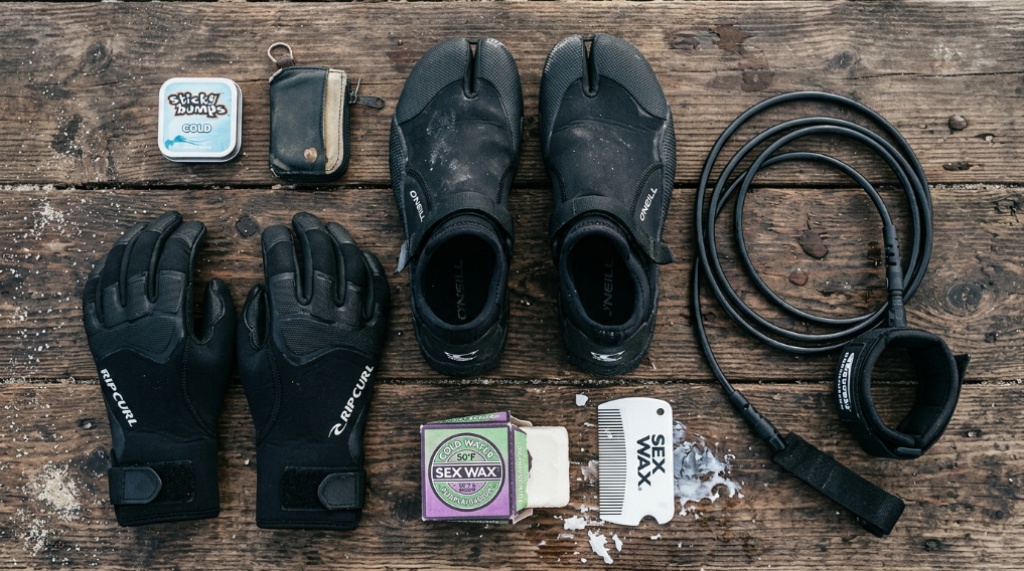
- Cold, offshore mornings — booties and gloves are not overkill; they preserve function in your hands and feet.
Men’s long-sleeve swim shirts help in two ways: they reduce chafing between your skin and the wetsuit, and they provide a thin insulating layer that traps a small amount of water against your skin, if you are looking to branch out to warmer waters after tackling the pacific northwest, check out our guide on your first paddleboarding adventure in north carolina.
The Real Role of Men’s Long-Sleeve Swim Shirts in Oregon
A long-sleeve swim shirt is not a replacement for a wetsuit in Oregon. It is a supporting layer. Its most practical functions are:
- Rash guard: Worn under a wetsuit to prevent irritation from seams and neck openings.
- Sun protection: On rare warm, sunny days, a long-sleeve shirt with UPF protection lets you stay out longer without frying.
- Between-session warmth: Wearing a swim shirt while changing or walking to the water keeps you warmer than bare skin under a light jacket.
- Wind buffer: Some swim shirts add a minor wind-resistant layer, though not enough to replace a proper wetsuit outer shell.
When choosing a long-sleeve swim shirt for Oregon, prioritize fit and seam placement. A shirt that bunches under a wetsuit creates pressure points. Flatlock or flat seams reduce chafing. A slightly looser fit is fine for sun protection, but a snug fit works better as a rash guard.
Wetsuit Thickness vs. Swim Shirt: A Practical Comparison
The table below shows how different gear combinations perform in typical Oregon conditions. These are general guidelines, not measurements.
| Gear Combination | Typical Water Temp | Best Use | Limitations |
|---|---|---|---|
| Long-sleeve swim shirt only | Not recommended | Beach walks, sun protection on land | No thermal insulation in cold water |
| Swim shirt + 3/2mm wetsuit | 56–60°F (rare in Oregon) | Warmest summer days, short sessions | Cold quickly if wind picks up |
| Swim shirt + 4/3mm wetsuit | 52–56°F | Most of summer and fall | Still cold on windy days without hood/gloves |
| Swim shirt + 5/4mm wetsuit + hood | 48–52°F | Winter, early spring, windy days | Restricts movement, takes longer to change |
Notice that the swim shirt appears in every wetsuit combination. It’s not the main insulation — it’s the layer that makes the main insulation work better.
Common Mistakes Oregon Surfers Make with Gear
Even experienced surfers sometimes misjudge Oregon conditions. A few recurring mistakes:
- Wearing a swim shirt as outerwear in cold water. It provides almost no thermal protection on its own.
- Choosing a snug swim shirt that bunches. Under a wetsuit, wrinkles create cold spots and chafe.
- Ignoring wind chill. A sunny 60°F day with 15 mph wind can feel colder than a calm 50°F day.
- Skipping booties and gloves too early. Cold hands and feet reduce your ability to paddle and react.
- Wearing cotton under a wetsuit. Cotton holds water, stays cold, and increases chafing.
How to Choose Gear for a Specific Oregon Session
Use this step-by-step approach before you paddle out:
- Check water temperature. If it’s below 55°F, plan for a 4/3mm or thicker wetsuit.
- Check wind speed and direction. Anything above 10 mph means you should add a hood or wind-resistant layer.
- Check air temperature. Below 50°F air temp usually calls for booties and gloves regardless of water temp.
- Choose your base layer. A long-sleeve swim shirt with flat seams is the standard base layer under a wetsuit.
- Add accessories as needed. Hood, booties, and gloves are not signs of weakness — they extend your session and safety.
- Bring a dry change of clothes. Oregon’s damp air makes post-surf cooling rapid even in summer.
Does Sun Protection Matter on the Oregon Coast?
Yes, but not in the way most people expect. Oregon’s coast is often overcast, but UV radiation passes through clouds. Surfers can get sunburned on cloudy days, especially on the water where reflection increases exposure. A long-sleeve swim shirt with UPF protection reduces the need for sunscreen on your arms and torso, which is practical when you’re wearing a wetsuit most of the year.
In summer, when air temperatures occasionally reach the 70s°F, some surfers wear a swim shirt alone while walking the beach or eating lunch between sessions. It’s a comfort and protection layer, not a surfing layer for cold water.
Frequently Asked Questions
Can I surf in Oregon with just a long-sleeve swim shirt?
No. Oregon’s ocean is too cold for a swim shirt alone. You need a full wetsuit year-round. A long-sleeve swim shirt is a base layer or sun protection layer, not a substitute for insulation.
What wetsuit thickness is best for Oregon?
A 4/3mm wetsuit is the most versatile choice for summer and fall. For winter and early spring, a 5/4mm with a hood, booties, and gloves is more appropriate. A 3/2mm may work on the warmest, calmest summer days but is limited.
Do I need booties and gloves in Oregon?
For much of the year, yes. Water below 55°F will numb your feet and hands within an hour without protection. Booties and gloves are common from fall through spring and often in summer when upwelling brings cold water to the surface.
Are long-sleeve swim shirts worth it if I already wear a wetsuit?
Yes. They reduce chafing from wetsuit seams, add a thin layer of warmth, and provide sun protection when you’re out of the water. Flat seams and a snug fit make them more effective under a wetsuit.
Does wind really change what gear I should wear?
Yes. Wind accelerates heat loss and can make a wetsuit feel much colder than its thickness suggests. On windy days, add a hood, gloves, and consider a wind-resistant outer layer or a thicker wetsuit.
How do I know if my swim shirt fits properly under a wetsuit?
It should feel snug but not restrictive, with no bunching at the shoulders, armpits, or lower back. Flatlock seams and a slightly longer torso help prevent the shirt from riding up when you paddle.
Conclusion
Oregon’s coastal conditions make gear selection a practical decision, not a stylistic one. Cold water, wind, and damp air mean a wetsuit is your primary insulation, and a long-sleeve swim shirt works best as a base layer or sun protection. Match your wetsuit thickness to water temperature, add hood, booties, and gloves when wind and air temperature demand it, and prioritize fit and seam quality in your swim shirt. With the right layering system, Oregon’s cold water becomes manageable rather than miserable.