
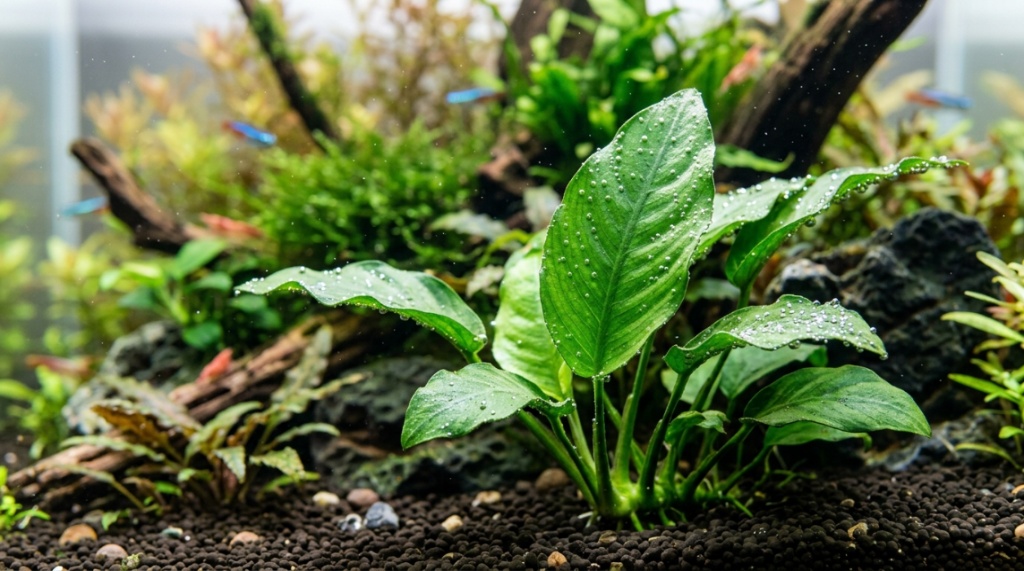
You’ve spent hours setting up your planted tank, carefully choosing species, and dialing in the lighting. But three weeks later, your plants look pale, your carpet isn’t spreading, and algae is throwing a party. You suspect it’s a nutrient problem, but every fertilizer brand you see costs more than your weekly coffee budget. You need results without breaking the bank.
The good news is that achieving lush, rapid plant growth doesn’t require expensive, boutique fertilizers. You just need to know where to look and what to prioritize. This guide will walk you through exactly how to identify affordable aquarium fertilizers fast growth solutions that actually work, helping you transform your tank without draining your wallet.
What Makes an Aquarium Fertilizer Affordable Without Sacrificing Results?
An affordable aquarium fertilizer isn’t just the one with the lowest price tag. True affordability means you get high nutrient availability, consistent dosing, and measurable plant growth per dollar spent. It’s about value, not just cost.
Nutrient Density Per Dollar
Cheap fertilizers often contain mostly water or fillers. When comparing products, look at the guaranteed analysis on the label. A concentrated liquid or dry salt fertilizer that requires small doses will last months longer than a diluted “budget” bottle that runs out in two weeks. Calculate the cost per dose, not the cost per bottle.
Macronutrient Focus for Fast Growth
Fast-growing stem plants like Hygrophila, Rotala, and Limnophila crave nitrogen (N), phosphorus (P), and potassium (K) in higher quantities. Affordable fertilizers that prioritize NPK ratios tailored to high-light, CO₂-injected tanks will yield faster results than expensive “all-in-one” blends that skimp on macros to add trace elements you may already have.
Longevity and Shelf Stability
Dry powders (like potassium nitrate or monopotassium phosphate) are incredibly affordable, stable for years, and give you complete control over dosing. They are often the cheapest route for experienced hobbyists chasing fast growth. Liquid formulas are convenient but degrade over time. Choose based on your comfort level with DIY mixing.
How Can You Identify Budget-Friendly Fertilizers That Deliver Fast Growth?

You don’t need a chemistry degree. You just need to know what to look for on the label and where to find reliable options. A systematic approach saves money and frustration.
Read the Guaranteed Analysis Like a Pro
Skip the marketing claims. Look for products that list actual percentages of nitrogen (as nitrate or urea), phosphate, and potassium. A good budget fertilizer will have at least 2–3% nitrogen and 2–4% potassium. Avoid products with “proprietary blend” language that hides concentrations.
Cross-Reference Plant Symptoms with Nutrient Needs
Yellowing lower leaves indicate nitrogen deficiency. Small holes in leaves signal potassium deficiency. Stunted growth with red stems often points to phosphorus. Match your symptoms to a targeted, affordable product rather than buying a broad-spectrum premium fertilizer with unnecessary ingredients.
Look for Regional or Online Bulk Options
Many local aquarium clubs or online marketplaces sell dry fertilizers in bulk. For example, a 500-gram bag of potassium nitrate costs roughly the same as one small bottle of liquid fertilizer but can last a year in a medium-sized tank. If you want a curated list of products that balance cost and performance, check out this resource on affordable aquarium fertilizers fast growth specifically tested for reliable results.
Why Are Dry Fertilizers Often the Most Affordable Option for Fast Growth?
Dry fertilizers, often called “dry salts,” are the raw ingredients used by commercial manufacturers. Buying them directly removes the markup for bottling, water, and branding. This makes them the most cost-effective choice for serious planted tank keepers.
Cost Comparison: Dry vs. Liquid
A standard 250ml bottle of liquid all-in-one fertilizer might cost $15 and last 2 months in a 20-gallon tank. A $20 bag of dry potassium nitrate can last over a year, providing the same nutrient boost at a fraction of the price per dose. Over 12 months, dry fertilizers can save you 70–80% on nutrient costs.
Dosing Control and Customization
Fast growth often requires higher nutrient levels than general dosing recommendations. With dry salts, you can increase nitrogen without simultaneously increasing phosphorus or trace elements. This precision prevents nutrient imbalances and algae outbreaks, which saves money on algae treatments later.
Shelf Life and Storage Benefits
Liquid fertilizers can degrade when exposed to light or heat. Dry salts remain stable for years when stored in a cool, dry place. You can buy in bulk without fear of expiration, making them a long-term investment in your tank’s health.
Which Liquid Fertilizers Offer the Best Value for Rapid Plant Growth?
Not everyone wants to measure and mix powders. If you prefer liquid convenience, there are still excellent budget-friendly options that drive fast growth. The key is choosing the right type of liquid fertilizer.
All-in-One Solutions vs. Single Nutrient Bottles
All-in-one (AI) liquids are convenient for beginners but often dilute macros to keep trace elements stable. For fast growth under high light, you may need to dose higher volumes, which drains the bottle quickly. Instead, consider buying separate liquid nitrogen, phosphorus, and potassium (NPK) bottles. They are often cheaper per dose and allow you to tailor ratios.
Store Brands and Generic Alternatives
Many pet supply chains carry store-brand fertilizers that are chemically identical to popular premium names. Compare the guaranteed analysis. If the NPK numbers match, the generic version is likely just as effective for a lower price. Avoid products with high levels of copper, which can harm shrimp and snails without benefiting plants.
Concentrated Liquid Concentrates
Some brands sell highly concentrated liquids (2x or 4x strength). These cost more upfront but last much longer because you use smaller doses. Calculate the cost per gallon of tank water treated to find the true value. A 4x concentrate that costs $25 may be cheaper than a standard $15 bottle when you factor in the extended usage.
How Do You Match Fertilizer Choice to Your Tank Setup for Maximum Growth?
Your lighting intensity, CO2 system, and plant selection directly dictate how much fertilizer your plants can use. Mismatching is the fastest way to waste money and see poor results.
High Light + CO2 Injection
If you have pressurized CO2 and strong lighting, your plants are in “overdrive.” They need high and consistent levels of NPK daily. Budget-friendly dry salts or concentrated liquid NPK are ideal here. Avoid “low-tech” fertilizers designed for low-light tanks, as they lack the nutrient density needed for explosive growth.
Low Light + No CO2
In low-tech tanks, plants grow slower and require less fertilizer. Overdosing leads to algae. A cheap, low-dose all-in-one liquid fertilizer or occasional root tabs may be all you need. Focus on providing specific nutrients when deficiency shows, rather than a full spectrum daily dose.
Root Feeders vs. Water Column Feeders
Cryptocorynes, swords, and bulbs absorb most nutrients through their roots. Using root tabs (which can be affordable if you DIY them with clay and osmocote) is more efficient than pouring liquid fertilizer into the water column for these species. Stem plants and floaters feed from the water. Save money by matching the delivery method to the plant.
Can You Make Your Own Affordable Aquarium Fertilizer at Home?
Absolutely. DIY fertilizer mixing is the ultimate cost-saving strategy for dedicated hobbyists chasing fast growth. It’s also surprisingly simple once you understand the basic ratios.
Essential Ingredients for a DIY Mix
You need three main components: a nitrogen source (potassium nitrate KNO3), a phosphorus source (monopotassium phosphate KH2PO4), and a potassium source (potassium sulfate K2SO4 for additional K). These are available online or at garden supply stores. A single purchase of each can last over a year.
Simple Mixing Ratios for Beginners
Start with a basic recipe: 1 teaspoon of KNO3 and 1/4 teaspoon of KH2PO4 per 250ml of distilled water. Dose 1ml of this solution per 10 gallons of tank water daily. Adjust based on your plant response. This provides consistent NPK without expensive branding.
Safety and Storage Precautions
Store dry salts away from children and pets. When mixing, use gloves and avoid inhaling dust. Label all containers clearly. Homemade fertilizers are potent; always start with half the recommended dose and increase slowly to avoid burning plants.
How Often Should You Dose Affordable Fertilizers for Fast Results?
Frequency matters more than quantity. Consistent dosing prevents nutrient crashes that stunt growth and trigger algae. An affordable fertilizer used inconsistently will never match an expensive one used correctly.
Daily Dosing for High-Tech Tanks
If you have CO2 and high light, dose daily. This matches the plants’ rapid consumption rate. A daily schedule prevents nutrient deficiencies before they appear. Use a pump bottle for convenience, or mix a larger batch weekly and dose from it each morning.
Alternating Macro and Micro Dosing
To avoid nutrient lockout, some aquarists dose NPK on one day and trace elements on another. This allows you to use a cheap, focused NPK fertilizer without worrying about interactions. It also extends the life of your trace bottle.
Weekly Water Changes as Reset Points
Test your water before each weekly water change. If nitrates are high (over 30 ppm), you are overdosing. If they are zero, increase your dose. This feedback loop ensures you are using exactly the right amount of affordable fertilizer, maximizing growth without waste.
What Common Mistakes Should You Avoid When Choosing Budget Fertilizers?
Saving money on fertilizer is smart, but some mistakes can cost you far more in plant loss, algae battles, and frustration. Avoid these pitfalls to stay on track.
Choosing the Wrong Formulation for Your Water Hardness
Some fertilizers contain chelating agents (like EDTA or DTPA) that work best in certain pH ranges. If your water is very hard or soft, a cheap fertilizer with the wrong chelate may make iron and other trace elements unavailable, wasting your money. Check the product details before buying.
Ignoring the Importance of Trace Elements
Fast growth demands not just NPK but also iron, magnesium, manganese, and boron. Many budget fertilizers skip or underdose traces. If you notice pale new leaves despite good nitrate levels, you likely need a separate, affordable trace mix. A balanced approach prevents deficiency.
Overdosing to Compensate for Weak Light
Adding more fertilizer will not make plants grow faster if your light is insufficient. This is a common mistake with budget fertilizers. Instead of wasting product by increasing dose, upgrade your lighting or reduce the dosing to match the slower growth rate. Save your fertilizer for when it can actually be used,
While choosing the right budget nutrients is essential for plant vitality, combining them with the right hardscape can supercharge your tank’s ecosystem. Discover the Amazing Benefits of Driftwood in AquariumsThat Every Aquarist Should Know to see how natural wood creates a stable, thriving environment that helps your new plants grow even faster.
Frequently Asked Questions
Can I use garden fertilizer in my aquarium?
No. Garden fertilizers contain urea or ammonium, which are toxic to fish and can cause ammonia spikes. They also lack the correct chelation for aquatic plants. Always use fertilizers specifically labeled for aquarium use or pure dry salts from reputable sources.
How do I know if my fertilizer is working for fast growth?
Look for new leaves within 3–5 days of starting a fertilizer regimen. Healthy, vibrant colors, increased stem elongation, and a lack of nutrient holes (pinholes or yellowing) indicate the fertilizer is effective. Measure weekly growth with a ruler to track progress.
Is it cheaper to buy liquid or dry fertilizer?
Dry fertilizers are significantly cheaper per dose and last much longer. A 500g bag of potassium nitrate can cost $15–20 and provide over a year of dosing for a 40-gallon tank. The same nutrient value in liquid form could cost $100 or more annually.
What is the best budget fertilizer for a beginner with a low-tech tank?
A simple all-in-one liquid fertilizer like Seachem Flourish or a generic store brand with similar NPK values is a good starting point. Start with half the recommended dose and watch how your plants respond. Avoid high-tech formulas that can cause algae in low-light setups.
How often should I test my water when using a new fertilizer?
Test your water once a week for the first month when starting a new fertilizer. Focus on nitrate levels. This helps you dial in the correct dose. Once stable, monthly testing is sufficient unless you change lighting, CO2, or plant mass.
Can I use too much affordable fertilizer and harm my fish?
Yes. Overdosing nitrogen can lead to ammonia toxicity, especially in tanks with low biological filtration. Always follow recommended dosing guidelines and observe your fish for signs of stress. Gradual increases are safer than large doses.
Do I need separate root tabs and liquid fertilizer?
Yes, for tanks with heavy root feeders like swords and crypts. Root tabs provide phosphorus and potassium directly to the roots, which is more efficient. Liquid fertilizer supports stem plants and floaters. Combining both targeted approaches is cost-effective and prevents wasted product.
Conclusion
Finding affordable aquarium fertilizers that deliver fast growth is less about finding a magic bottle and more about understanding your tank, your plants, and the nutrient options available. Whether you choose dry salts for maximum savings, concentrated liquids for convenience, or a DIY approach for complete control, the key is consistent dosing matched to your lighting and CO2 levels.
Start by identifying your plants’ symptoms and your tank’s current nutrient levels. Then, choose a targeted product that delivers the highest nutrient density per dollar. Avoid the common mistakes of overdosing or mismatching formulations. With a smart, budget-conscious approach, you can achieve a lush, thriving underwater garden without spending a fortune.
Take the first step today. Review your current fertilizer, compare it against the tips in this guide, and make one small change. Your plants will reward you with faster, healthier growth.

