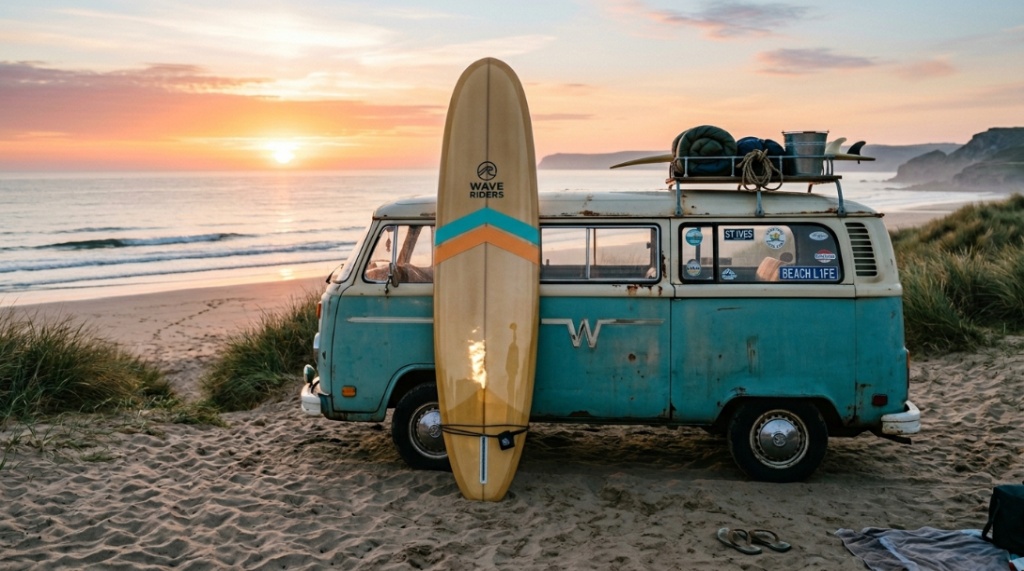
Standing on a paddleboard for the first time feels unstable for about ten minutes. Then something clicks, the board settles under your feet, and you are gliding across water that looks completely different from this angle. North Carolina offers an unusually wide range of places to experience that moment, from flat coastal estuaries to mountain lakes. This Cool Surfing Gear guide covers where to launch, what to bring, and how to time your trip so your first session goes smoothly instead of ending early.
Quick Answer
Plan your first paddleboard trip in North Carolina by choosing calm, flat water such as a lake, sound, or protected estuary rather than open ocean. Pick an inflatable board at least 10 feet long for stability, go out in the morning before wind picks up, launch somewhere with easy shoreline access, and always wear a leash and a Coast Guard–approved life jacket. Check local rules before you go.
Key Takeaways
- Calm inland water (lakes, sounds, estuaries) is far better for a first session than exposed ocean surf.
- Board length and width matter more than brand for beginners—wider boards are noticeably more stable.
- Morning sessions are usually calmer because afternoon sea breezes and thermal winds build up.
- North Carolina requires a life jacket for each person on the water, and a leash is strongly recommended.
- Where you launch affects your whole trip: easy shoreline access and shallow water reduce stress.
Where Should You Paddleboard in North Carolina?

North Carolina splits into three useful regions for paddleboarding: the coast, the Sandhills and Piedmont, and the mountains. Each one behaves differently, and that difference matters a lot on your first attempt.
Coastal Sounds and Estuaries
The sounds behind the Outer Banks—Pamlico Sound, Roanoke Sound, and the estuaries around Beaufort and Swansboro—offer flat, shallow water with minimal boat wake if you stay near shore. These are excellent for beginners. Just be aware that tidal currents can move you sideways faster than you expect, so check a tide chart and avoid outgoing tide through narrow inlets.
Lakes and Rivers
Falls Lake, Jordan Lake, Lake Norman, and Lake Wylie all have public boat ramps and calm coves where you can practice without competing with open-water chop. Rivers such as the Neuse, Cape Fear, and French Broad are also popular, but moving water adds one more variable. If you choose a river for your first trip, stick to a slow, wide section with a gentle current.
Mountain Lakes
Lake James and Lake Lure sit against the Blue Ridge foothills and offer cold, clear water and dramatic scenery. The trade-off is that mountain lakes can be deeper and windier than they look, and water temperatures stay colder longer into spring. If you paddle here early in the season, dress for cooler water than the air temperature suggests.
What Gear Do You Actually Need?
The honest answer is that you need less than most gear lists imply. A board, a paddle, a leash, a life jacket, and sun protection cover the essentials. Everything else is comfort or convenience.
Board Choice
For a first board, prioritize width and volume over speed. A board roughly 10 to 11 feet long and 32 to 34 inches wide will feel far more forgiving than a narrow touring board, even though it will be slower. Inflatable boards are popular for beginners because they store easily, travel well, and survive the occasional bump against a dock. If you are deciding between renting and buying, renting for your first two or three sessions is usually the smarter move—you will learn what you actually like before spending money, Before hitting the open water, make sure you have the right gear by checking out our guide on how to choose the best affordable surf training bodyboards for ocean practice.
Safety Gear That Is Not Optional
- Life jacket (PFD): Required by North Carolina law for each person on the water. Wear it, do not just carry it.
- Ankle leash: Keeps the board near you if you fall. Use a straight leash in flat water and a coiled leash only where specified.
- Sun protection: Water reflects UV rays, so you burn faster than on land. Rash guard, hat, and reef-safe sunscreen.
- Water and a dry bag: Paddling is more physical than it looks, especially into wind.
What You Can Leave Behind
You do not need a cooler, a GoPro mount, a waterproof speaker, or a full change of clothes on a first trip. Extra gear adds weight and distraction while you are still learning balance. Bring them once paddling feels automatic.
When Is the Best Time to Go?
Early morning is almost always the best window. Air is cooler, the water surface is glassier, and wind has not yet built. In coastal North Carolina, afternoon sea breezes routinely push 10 to 15 mph, which is enough to turn a pleasant paddle into a workout you did not sign up for. On inland lakes, thermal winds do the same thing in the afternoon.
Seasonally, late spring and early fall give the best balance of warm air and manageable water temperatures. Mid-summer afternoons are hot and storm-prone—North Carolina gets frequent afternoon thunderstorms, and open water is a bad place to be when one rolls in. Check the forecast the morning of your trip and be willing to cancel or reschedule.
Practical Steps for Your First Trip
- Pick a calm, protected body of water near you—a lake cove, sound-side beach, or slow river section.
- Check the weather, wind forecast, and tide (if coastal) the night before and again the morning of.
- Confirm launch access. Some boat ramps charge a fee; some beaches restrict launching. Check local rules.
- Inflate the board to the manufacturer’s recommended PSI—usually around 12 to 15 PSI for inflatables. Under-inflated boards feel unstable.
- Launch from shallow water. Kneel on the board first, then stand once you are past the shore break or mud line.
- Start on your knees or seated, then stand when you feel steady. Look at the horizon, not your feet.
- Stay close to shore for your first 20 to 30 minutes so you can return easily if you get tired.
- End the session before you are exhausted. Fatigue causes most beginner falls.
Common Beginner Mistakes to Avoid
- Starting in the ocean. Surf zones are for later. Flat water first.
- Standing too far back on the board. Your weight should be centered over the middle.
- Gripping the paddle too tightly. Relaxed hands reduce fatigue and improve control.
- Ignoring wind direction. Paddle into the wind on the way out so the return trip is easier.
- Skipping the leash. Losing your board in open water is a serious problem, not a minor inconvenience.
- Going alone on a first trip. A friend, or at least other people on the water, adds a safety margin.
Frequently Asked Questions
Do I need a license to paddleboard in North Carolina?
North Carolina does not require a license or registration for a paddleboard used recreationally, but you must have a Coast Guard–approved life jacket for each person on board. Some local jurisdictions add their own rules, so check with the specific lake, park, or coastal town before launching.
Is paddleboarding hard for beginners?
No—most people can stand and paddle within 15 to 30 minutes on calm water. The learning curve is mostly about balance and reading the water. Wind, chop, and boat wake are what make it difficult, which is why choosing a protected launch spot matters more than athletic ability.
Can I paddleboard in the ocean off North Carolina?
Yes, but not for your first session. The Atlantic coast has surf, currents, and shifting sandbars. Once you are comfortable on flat water, a sound-side or inlet-adjacent spot with small waves is a reasonable next step. Open surf requires more skill and knowledge of rip currents.
How much does it cost to try paddleboarding?
Rental rates vary by location and season, but renting for a first session is typically much cheaper than buying. A beginner inflatable board package usually costs a few hundred dollars, so renting two or three times before buying lets you test different board sizes without committing.
What should I wear paddleboarding in North Carolina?
Quick-dry athletic clothing or a swimsuit works for warm weather. Add a rash guard for sun protection. In cooler months, wear synthetic layers rather than cotton, and consider a wetsuit if water temperatures are below roughly 65°F. Water temperature matters more than air temperature.
How do I know if the water is too rough to go out?
If you see consistent whitecaps, if the wind is above roughly 12 to 15 mph, or if a thunderstorm is in the forecast, stay off the water. As a beginner, you should also avoid outgoing tides through inlets and any day with a small craft advisory.
Conclusion
Your first paddleboarding trip in North Carolina does not need to be complicated. Choose calm water, go early, wear your life jacket and leash, and keep the session short enough to finish feeling good rather than drained. The coast, the lakes, and the mountain reservoirs each offer something different—but flat, protected water is the right starting point no matter which region you live near. Get one easy session under your belt, then expand from there.