

Flooring is a crucial aspect of your home’s interior design and functionality. Choosing the perfect flooring material can significantly impact your home’s aesthetics, comfort, and maintenance. This comprehensive guide will help you navigate the world of flooring options, considering factors like aesthetics, durability, maintenance, and cost, to make an informed decision.
Factors to Consider Before Choosing Flooring
- Lifestyle and Traffic: Consider the foot traffic in different areas of your home. High-traffic areas like hallways and living rooms need durable flooring options like hardwood, laminate, or tile. For bedrooms and low-traffic areas, you can choose softer options like carpet or cork. Additionally, when looking to decorate a small office, consider versatile flooring solutions that can withstand occasional movement while providing comfort and style.
- Aesthetics and Style: Your flooring should complement your home’s overall style and color scheme. Choose materials and colors that create a cohesive look. For example, hardwood floors can add warmth and elegance to traditional or rustic homes, while modern homes might benefit from sleek tiles or polished concrete.
- Maintenance and Durability: Consider how much time and effort you’re willing to invest in maintaining your floors. Some materials, like hardwood, require regular polishing and refinishing, while others, like tile and vinyl, are easier to clean and maintain.
- Budget: Set a realistic budget for your flooring project. Flooring prices can vary significantly depending on the material, quality, and installation costs.
- Environmental Impact: If you’re environmentally conscious, consider sustainable flooring options like bamboo, cork, or reclaimed wood.
Popular Flooring Materials
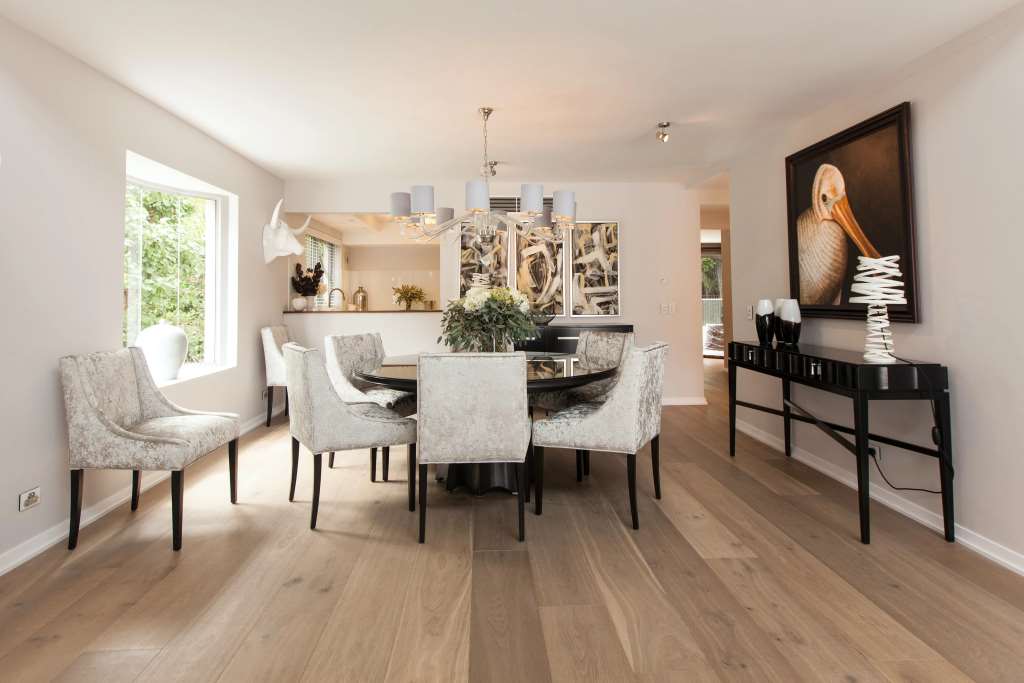
- Hardwood: Hardwood floors are classic and timeless. They are durable, can be refinished multiple times, and add value to your home. However, they can be expensive and susceptible to scratches and moisture damage.
- Laminate: Laminate flooring mimics the look of hardwood but is more affordable and resistant to scratches and fading. It’s a good choice for high-traffic areas but can be noisy and not as durable as hardwood.
- Tile: Tile flooring is versatile and comes in various materials like ceramic, porcelain, and natural stone. It’s durable, water-resistant, and easy to clean, making it ideal for kitchens and bathrooms. However, it can be cold and hard underfoot.
- Vinyl: Vinyl flooring is a budget-friendly option that comes in sheets, tiles, and planks. It’s water-resistant, durable, and easy to maintain, making it suitable for kitchens, bathrooms, and basements. However, it can be susceptible to scratches and dents.
- Carpet: Carpet provides warmth and comfort and is available in various colors and textures. It’s a good choice for bedrooms and living rooms, but it can be difficult to clean and not suitable for allergy sufferers.
- Cork: Cork flooring is a sustainable and eco-friendly option that is naturally resistant to mold, mildew, and insects. It’s soft underfoot and has good acoustic insulation properties. However, it can be susceptible to scratches and stains.
- Bamboo: Bamboo flooring is a fast-growing, renewable resource that is durable and resistant to moisture. It comes in various colors and styles but can be expensive and susceptible to scratches.
Choosing the Right Flooring for Different Rooms
- Living Room: Hardwood, laminate, or carpet are popular choices for living rooms. Consider the amount of foot traffic and your desired aesthetic when making your decision.
- Kitchen: Tile, vinyl, or laminate are durable and easy-to-clean options for kitchens, where spills and stains are common.
- Bathroom: Tile or vinyl are water-resistant and suitable for bathrooms. Consider textured tiles for better slip resistance.
- Bedroom: Carpet provides warmth and comfort for bedrooms. However, if you have allergies, consider hardwood or laminate with an area rug.
Installation and Maintenance
Proper installation and maintenance are crucial for the longevity and performance of your flooring. Consider hiring a professional for installation, especially for complex materials like hardwood and tile flooring. Follow the manufacturer’s recommended cleaning and maintenance guidelines to keep your floors looking their best. Additionally, educate yourself on how to fix a sagging floor to ensure your flooring remains in top condition.
How to Fix Sagging Floors in Crawl Space: The Ultimate Guide
Conclusion
Choosing the perfect flooring for your home involves careful consideration of various factors. By weighing your options and considering your lifestyle, budget, and aesthetic preferences, you can make an informed decision that will enhance your home’s beauty and functionality for years to come.

