

Clocks, those ubiquitous timekeepers, have fascinated and frustrated us for centuries. They mark our days, measure our schedules, and sometimes, even pose perplexing puzzles. Clock riddles, with their clever wordplay and intricate logic, offer a unique challenge that can both entertain and enlighten. If you’re interested in exploring such brain-teasers, you might want to explore Theothersidemagazine blog, where unique riddles and puzzles are often discussed, adding depth to the fascination surrounding time and its mysteries.
This article delves into the world of clock riddles, exploring their history, their diverse forms, and the strategies you can employ to crack their codes. Get ready to wind up your brain and unlock the secrets hidden within these timeless enigmas!
A Brief History of Time (and Riddles)
Riddles, as a form of entertainment and intellectual exercise, have existed for millennia. Ancient civilizations, from the Greeks and Romans to the Egyptians and Chinese, incorporated riddles into their folklore, mythology, and educational practices. Clock riddles, however, emerged much later, coinciding with the development and widespread use of mechanical clocks in Europe around the 14th century. One classic example is the riddle, what has hands but can’t clap, which cleverly plays on the imagery of a clock’s hands, emphasizing the blend of humor and wit that riddles offer.
As clocks became commonplace, they naturally found their way into the realm of riddles. Their unique features – the hands, the face, the constant ticking – provided ample fodder for creative wordplay and logical conundrums. These riddles often played on the dual nature of time: its objective measurement and its subjective perception.
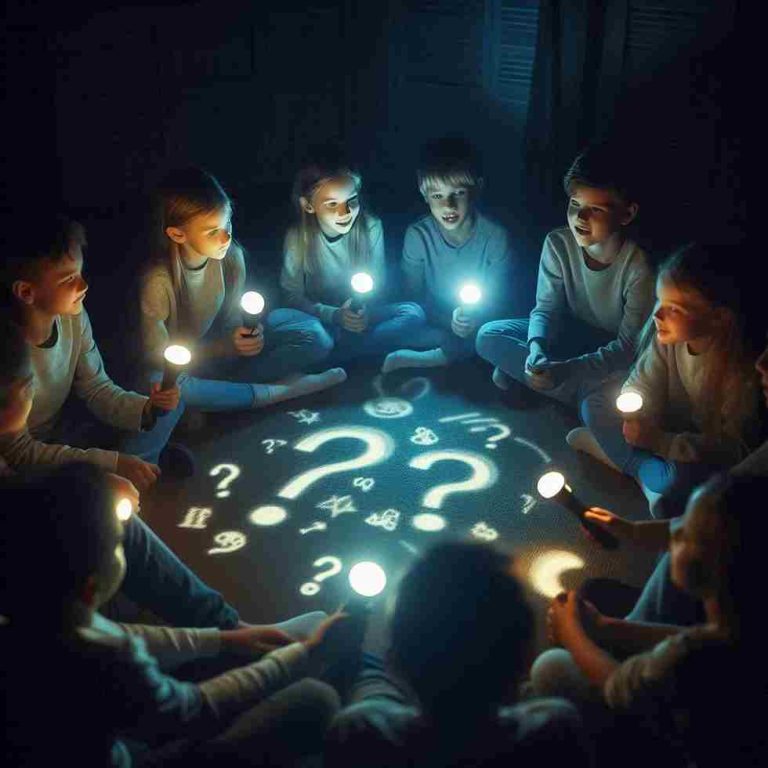
Types of Clock Riddles
Clock riddles come in various flavors, each with its own unique challenges:
- What am I? Riddles: These riddles describe the characteristics of a clock without explicitly naming it. They rely on metaphors and analogies to guide you towards the answer.
- Example: I have two hands but cannot clap. I have a face but cannot laugh. I tell you the time but have no voice. What am I?
- Logic Riddles: These riddles present a scenario involving a clock and require you to use logical reasoning and mathematical calculations to arrive at the solution.
- Example: At what time between 4 and 5 o’clock do the hands of a clock coincide?
- Trick Riddles: These riddles often involve wordplay or a twist in the question to mislead you. They require careful attention to detail and a bit of lateral thinking.
- Example: What has a heart that beats every second but is not alive?
- Lateral Thinking Riddles: These riddles and Little Alchemy games demand a creative approach and the ability to think outside the box. They often have unexpected or unconventional answers.
- Example: What time is it when an elephant sits on a fence?
Cracking the Code: Strategies for Solving Clock Riddles
Solving clock riddles requires a combination of observation, logic, and creativity. Here are some tips to help you master the art of clock riddle-solving:
- Pay attention to the wording: Every word in a riddle is deliberately chosen. Analyze the language, identify keywords, and consider any hidden meanings or double entendres.
- Visualize the clock: Imagine a clock face and how its hands move. This can be especially helpful for logic riddles involving the position of the hands.
- Break down the riddle: Divide the riddle into smaller parts and analyze each part separately. This can help you identify the key information and eliminate irrelevant details.
- Think outside the box: Don’t limit yourself to conventional solutions. Clock riddles often involve a degree of creativity and lateral thinking.
- Don’t be afraid to guess: Even if you’re not sure of the answer, making an educated guess can help you narrow down the possibilities and get closer to the solution.
The Benefits of Clock Riddles
Beyond their entertainment value, clock riddles offer several cognitive benefits:
- Improved critical thinking: Analyzing the language, identifying patterns, and applying logic are crucial skills for solving clock riddles.
- Enhanced problem-solving abilities: Clock riddles present unique challenges that require you to devise strategies and find solutions.
- Boosted creativity: Thinking outside the box and considering unconventional approaches are essential for tackling lateral thinking clock riddles.
- Increased focus and concentration: Solving clock riddles requires sustained attention to detail and mental effort.
A Timeless Challenge
Clock riddles, with their intriguing blend of language, logic, and creativity, offer a timeless challenge for puzzle enthusiasts of all ages. Whether you’re a seasoned riddler or a curious beginner, these enigmatic puzzles can provide hours of entertainment and mental stimulation. So, the next time you encounter a clock riddle, don’t just watch the time go by – take a moment to unravel its mysteries and unlock the secrets hidden within its ticking heart.
Here are a few more clock riddles to test your skills:
- What has a neck without a head, a body without legs, and can always tell you the time?
- I am always coming but never arrive. I am always present but never here. I am always moving but never changing. What am I?
- What is always hungry but never eats, always running but never gets tired, and always tells you the time but never speaks?
- I have two hands but cannot write. I have a face but cannot see. I tell you the time but have no voice. What am I?
(Answers: 1. A clock, 2. Time, 3. A clock, 4. A clock)


