

Peat moss has a reputation among gardeners for its remarkable water retention, affordability, and ability to enhance soil structure. However, like anything else, too much of a good thing can become a problem. Overuse of peat moss can lead to hidden issues in your garden, affecting your plants’ health and overall soil quality.
Understanding Peat Moss
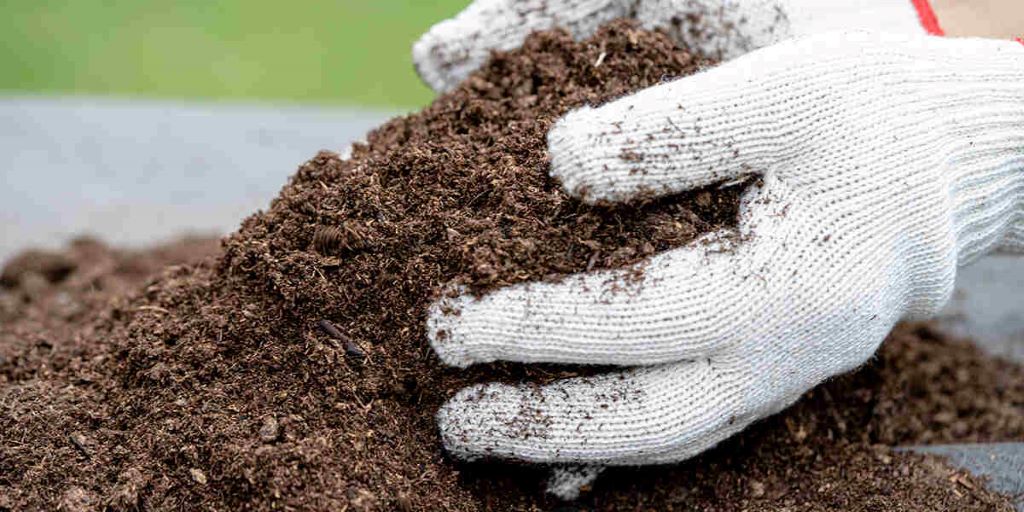
Peat moss is a slowly decomposing organic matter that forms over thousands of years within peat bogs. These bogs are unique, waterlogged ecosystems where the lack of oxygen drastically decelerates decomposition. Peat moss is prized for its spongy consistency, which is fantastic for holding onto moisture.
The Problems with Too Much Peat Moss
Soil Acidity: Peat moss is naturally highly acidic, usually possessing a pH ranging from 3.0 to 4.5. While this is desirable for acid-loving plants like blueberries or rhododendrons, many common garden vegetables and flowers prefer a neutral or slightly alkaline soil pH. Excessive peat moss throws off this balance, causing nutrient deficiencies and stunted growth in plants sensitive to acidity.
Hydrophobia – When Too Dry, It’s Hard to Re-Wet: While peat moss excels at water retention, it has a paradoxical downside. If peat moss becomes completely dry, it develops hydrophobic properties, meaning it repels water. This can be extremely frustrating when watering your plants, with water running off the soil surface instead of being absorbed.
Environmental Unsustainability: Peat bogs are incredibly slow to replenish. Harvesting peat moss disrupts these delicate ecosystems, negatively impacting biodiversity. Additionally, the extraction and transportation process of peat moss contributes to carbon emissions.
Nutrient Deficiency: Peat moss itself offers very little in terms of plant nutrition. Its primary function is water retention and soil structure modification, so over-reliance on it can starve your plants of vital nutrients.
How to Tell if You’ve Used Too Much Peat Moss
Identifying an overabundance of peat moss is crucial for rectifying problems. Here are a few signs:
Watering Troubles: Your soil drains very slowly, retaining excessive moisture or conversely, it has become difficult to re-wet after drying out.
Yellowing Leaves and Stunted Growth: These are common signs of nutrient deficiencies often induced by overly acidic soil conditions caused by peat moss.
Knowing Your Ingredients: If a large proportion of your potting soil or garden amendment is composed of peat moss, there’s a good chance you’re overusing it.
Fixing Soil with Too Much Peat Moss
Don’t despair if you suspect excessive peat moss use; there are solutions to get your garden back on track:
Dilution is Key: The simplest fix is to amend your soil with other materials. Compost is a fantastic choice, adding nutrients and helping balance the soil pH. Other options include aged manure, coco coir, or well-rotted wood chips.
pH Adjustment: A soil test kit will reveal your soil’s acidity. If the pH is too low, adding garden lime (calcium carbonate) can raise the alkalinity and counteract the peat moss’s effects.
Repotting Severely Affected Plants: If potted plants are struggling significantly due to peat moss issues, it’s sometimes easier to start fresh. Repot them in a new soil mixture with a balanced composition and reduced peat moss content.
Alternatives to Peat Moss
Prevention is often easier than a cure, so consider these alternatives to reduce your reliance on peat moss:
Compost: Homemade or store-bought, compost adds nutrients, improves drainage, and provides a more sustainable and cost-effective option.
Coco Coir: Derived from coconut husks, coco coir offers similar water retention properties to peat moss, with less associated acidity.
Leaf Mold: Decomposed leaves make excellent soil amendments, enhancing structure and nutrient content.
Aged Bark: Finely shredded bark adds beneficial structure to soil and breaks down over time for added nutrition.
A Word of Caution
Always research the preferred soil conditions for your specific plants. Some varieties thrive in the acidic conditions created by peat moss, but most will suffer in excess. Aiming for a balanced soil with a mix of components is often the safest and most sustainable approach.
By understanding the potential problems of overusing peat moss and exploring alternatives, you can keep your garden flourishing for years to come!


