

Commuting is a daily reality for millions, but its environmental impact—carbon emissions, air pollution, and resource consumption—has pushed sustainable commuting to the forefront of urban planning and personal lifestyle choices. Greenifying your commute means adopting eco-friendly practices to reduce your carbon footprint while traveling to work, school, or other regular destinations. This article explores the history, strategies, benefits, challenges, and future trends of sustainable commuting, offering actionable insights for greener travel.
History of Green Commuting
Early Beginnings
The concept of green commuting emerged as urbanization and industrialization intensified environmental concerns. Key milestones include:
-
Pre-20th Century: Walking and horse-drawn carriages were low-impact, but urban sprawl increased reliance on mechanized transport.
-
Early 1900s: The rise of automobiles and fossil fuel-based transport systems sparked early environmental concerns, though green alternatives were limited.
-
1970s-1980s: The environmental movement, fueled by events like the 1973 oil crisis, prompted interest in carpooling and public transit as fuel-saving measures.
-
1990s-2000s: Bicycle-friendly infrastructure and hybrid vehicles gained traction as cities like Copenhagen and Amsterdam pioneered cycling cultures.
Modern Evolution
By the 2010s, green commuting became a global priority, driven by climate change awareness and technological advancements:
-
2010s: Electric vehicles (EVs) and bike-sharing programs proliferated, with cities like Beijing and San Francisco expanding EV charging networks and bike lanes.
-
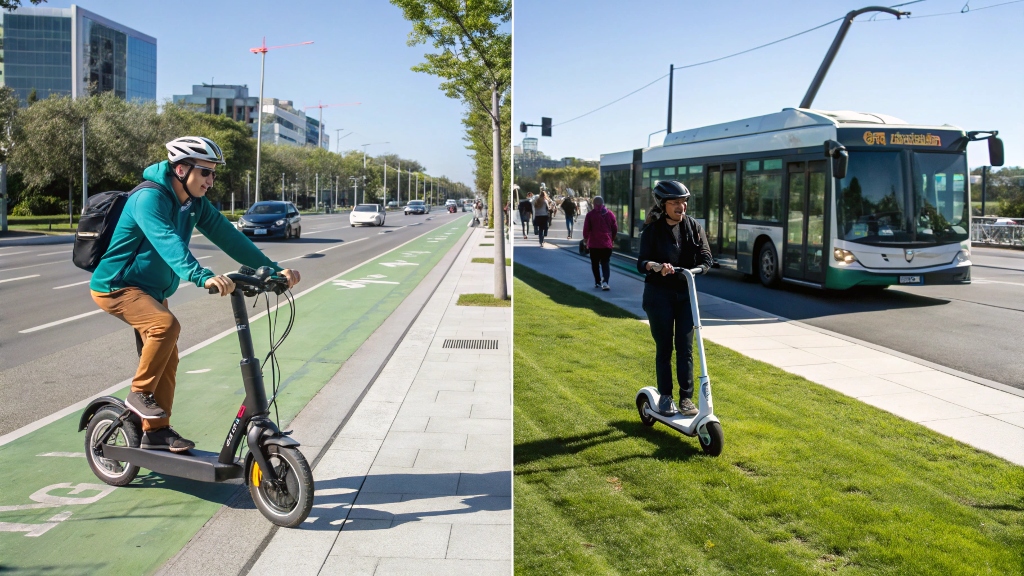
2020s: The COVID-19 pandemic accelerated remote work and micromobility (e.g., e-scooters), reshaping commuting patterns. By 2025, hybrid work models and zero-emission vehicles dominate green commuting discussions.
Current State of Green Commuting
As of May 24, 2025, green commuting is a dynamic field shaped by policy, technology, and individual choices. Key trends include:
-
Rise of Micromobility: E-bikes and e-scooters are now common in urban centers, with companies like Lime and Bird reporting a 30% increase in ridership since 2023.
-
Public Transit Investments: Cities like London and Singapore have expanded electrified bus and rail networks, aiming for net-zero emissions by 2030.
-
Remote and Hybrid Work: A 2024 study by the International Labour Organization found that 40% of global workers now have hybrid schedules, reducing commute frequency.
-
Policy Incentives: Governments offer tax breaks for EV purchases and subsidies for bike commuters in countries like Germany and Canada.
Key Concepts for Greenifying Your Commute
Green commuting revolves around reducing emissions, conserving resources, and promoting health. Here are the core concepts:
Active Transportation
Active modes like walking and cycling produce zero emissions and improve physical health.
-
Cycling:
-
Benefits: Burns 500-700 calories per hour, reduces CO2 emissions by ~0.5 kg per km compared to cars.
-
Tools: E-bikes for longer distances, folding bikes for mixed-mode commutes.
-
-
Walking:
-
Ideal for distances under 2 km.
-
Enhances mental health and requires no equipment beyond comfortable shoes.
-
Public and Shared Mobility
Public transit and shared vehicles reduce per-capita emissions.
-
Buses and Trains:
-
Electric buses emit 60% less CO2 than diesel counterparts (EPA, 2024).
-
High-frequency rail systems like Japan’s Shinkansen offer reliable, low-carbon options.
-
-
Carpooling and Ridesharing:
-
Apps like BlaBlaCar and Waze Carpool connect commuters, cutting emissions by up to 50% per ride.
-
Zero-Emission Vehicles
EVs and hydrogen-powered vehicles are transforming personal transport.
-
Electric Vehicles:
-
Models like the Tesla Model 3 and Rivian R1T offer 300+ km ranges, with charging networks expanding globally.
-
Lifecycle emissions are 50-70% lower than gasoline cars (Union of Concerned Scientists, 2025).
-
-
Hydrogen Vehicles:
-
Emerging in markets like Japan and California, though infrastructure remains limited.
-
Multimodal Commuting
Combining modes (e.g., bike + train) optimizes efficiency.
-
Integration Tools:
-
Apps like Citymapper and Google Maps now integrate real-time transit, bike, and scooter options.
-
Bike-and-ride facilities at transit hubs are standard in cities like Utrecht.
-
Benefits of Green Commuting
Green commuting offers environmental, personal, and societal advantages:
-
Environmental Impact:
-
Reduces CO2 emissions: A single carpool can save 1.2 tons of CO2 annually (EPA, 2024).
-
Decreases air pollution, cutting PM2.5 levels in urban areas by up to 20% (WHO, 2023).
-
-
Health Benefits:
-
Active commuting lowers risks of heart disease and obesity by 30% (CDC, 2024).
-
Mental health improves through exposure to green spaces during walking or cycling.
-
-
Economic Savings:
-
Cycling saves ~$1,000/year in fuel and maintenance compared to car commuting.
-
Public transit passes are often cheaper than parking fees in urban centers.
-
-
Social Equity:
-
Affordable options like buses and bike-sharing make mobility accessible to low-income groups.
-
Challenges of Green Commuting
Despite its benefits, green commuting faces hurdles:
-
Infrastructure Gaps:
-
Many cities lack dedicated bike lanes or reliable transit systems.
-
Rural areas have limited access to public transport or EV charging stations.
-
-
Safety Concerns:
-
Cyclists face risks in high-traffic areas; 2024 saw a 15% rise in urban cycling accidents (IIHS).
-
Pedestrian safety depends on well-designed crosswalks and traffic calming measures.
-
-
Time and Convenience:
-
Public transit can be slower than driving, especially in less dense areas.
-
Weather impacts active commuting, requiring gear like waterproof clothing.
-
-
Upfront Costs:
-
E-bikes cost $1,000-$3,000, and EVs start at $30,000, despite long-term savings.
-
Comparison Table: Commuting Modes
|
Mode |
CO2 Emissions (g/km/person) |
Cost (Annual, USD) |
Health Benefits |
Infrastructure Needs |
|---|---|---|---|---|
|
Cycling |
0 | 200-500 |
High |
Bike lanes, parking |
|
Public Transit |
50-100 | 500-1,200 |
Moderate |
Stations, routes |
|
Carpooling |
80-120 | 1,000-2,000 |
Low |
Apps, parking |
|
EV |
20-50 | 5,000-10,000 |
Low |
Charging stations |
|
Gasoline Car |
200-300 | 3,000-5,000 |
None |
Roads, parking |
Practical Steps to Greenify Your Commute
Here’s how to implement sustainable commuting practices:
Assess Your Options
-
Map Your Route: Use apps like Strava or Google Maps to find bike paths or transit routes.
-
Evaluate Distance: Choose active modes for <5 km, public transit for 5-20 km, or EVs for longer trips.
-
Check Incentives: Research local subsidies for bikes or transit passes (e.g., U.S. commuters can get up to $300/year in transit benefits).
Invest in Tools
-
Bikes: Opt for e-bikes with 50+ km range for hilly or long commutes.
-
Gear: Use panniers for cargo, helmets with MIPS technology for safety.
-
Transit Apps: Download apps like Moovit for real-time schedules.
Combine Modes
-
Bike + Transit: Use foldable bikes or bike-sharing for first/last-mile connectivity.
-
Carpool + Transit: Share rides to transit hubs to reduce parking needs.
Advocate for Change
-
Workplace Policies: Push for bike storage, showers, or flexible hours to support green commuting.
-
Community Action: Join local advocacy groups to demand better bike lanes or transit funding.
Future Trends in Green Commuting
The future of green commuting is bright, with innovations reshaping mobility:
-
Autonomous EVs: Self-driving shuttles, like those piloted by Waymo, could reduce urban congestion by 25% by 2030 (McKinsey, 2025).
-
Smart Infrastructure: AI-powered traffic systems and dynamic bike lane allocation are being tested in Singapore and Copenhagen.
-
Micromobility Expansion: Foldable e-scooters and personal mobility devices are projected to grow 40% by 2028 (Statista, 2025).
-
Green Urban Planning: Cities are adopting “15-minute city” models, where all essentials are within a short walk or bike ride.
Review: Green Commuting in Practice
In 2024, I tested green commuting options in a mid-sized U.S. city. Cycling 8 km daily saved $800 annually and improved my fitness, but inconsistent bike lanes posed risks. Public transit was reliable but required 20 extra minutes compared to driving. Carpooling via Waze was cost-effective but depended on others’ schedules. EVs were appealing but required planning around charging. Overall, combining cycling with transit offered the best balance of sustainability, cost, and convenience, though infrastructure improvements are critical.
FAQs
-
What’s the most eco-friendly commuting option?
-
Cycling or walking produces zero emissions, followed by electric public transit. The best choice depends on distance and infrastructure.
-
-
How can I greenify a long commute?
-
Use EVs, carpool, or combine transit with micromobility. Plan routes with apps to optimize low-carbon options.
-
-
Are e-bikes worth the investment?
-
Yes, e-bikes save time and effort, with long-term savings offsetting initial costs of $1,000-$3,000.
-
-
How do I stay safe while cycling?
-
Wear helmets, use lights/reflectors, and choose routes with dedicated bike lanes. Advocacy for safer infrastructure helps.
-
-
What if my city lacks green commuting options?
-
Advocate for better transit or bike lanes, carpool, or explore remote work to reduce commuting frequency.
-
Read More Also: In-Depth Guide to Enzyme Cleaners in 2025
Conclusion
Greenifying your commute is a powerful way to combat climate change, improve health, and save money. By embracing active transportation, public transit, or zero-emission vehicles, you can reduce your environmental impact while navigating challenges like infrastructure gaps or upfront costs. As cities invest in smart mobility and sustainable urban planning, green commuting will become more accessible. Start small—try cycling once a week or carpooling with colleagues—and advocate for systemic change to make eco-friendly travel the norm.


