

In an era where our homes are not just places to reside but also multifunctional hubs for work, relaxation, and entertainment, the importance of smart design cannot be overstated. Creating a space that is both aesthetically pleasing and functionally efficient requires a thoughtful approach, blending personal style with innovative solutions. This article delves into the latest smart design tips that can transform your home into a sanctuary, enhancing your daily life and reflecting your unique personality.
Understanding the Essence of Smart Design: Beyond Aesthetics
Smart design transcends mere visual appeal. It’s about creating a harmonious environment that optimizes space, enhances comfort, and promotes well-being. This involves considering the interplay of light, color, texture, and functionality, ensuring that each element contributes to the overall coherence of the space. It’s about recognizing that a well-designed home is not just a reflection of style but also a facilitator of a better lifestyle.
Maximizing Space with Multifunctional Furniture and Clever Storage Solutions
In today’s compact living spaces, maximizing every square inch is crucial. Multifunctional furniture, such as sofa beds, storage ottomans, and extendable dining tables, offers versatile solutions for optimizing space. Integrating built-in storage, utilizing vertical space with shelving, and employing under-bed storage are effective strategies for decluttering and creating a sense of spaciousness. Investing in modular furniture allows for flexibility and adaptability, enabling you to reconfigure your space according to your changing needs.
Harnessing the Power of Light: Natural and Artificial Illumination
Light plays a pivotal role in shaping the ambiance of a home. Natural light, in particular, has a profound impact on mood and well-being. Maximize natural light by keeping windows unobstructed and using light-colored window treatments. Layering artificial lighting with ambient, task, and accent lighting allows you to create different moods and highlight specific features. Smart lighting systems offer the convenience of controlling lighting remotely, adjusting brightness, and even changing colors, enhancing both functionality and atmosphere.
Embracing Biophilic Design: Bringing Nature Indoors
Biophilic design, which incorporates natural elements into living spaces, has gained significant popularity in recent years. Integrating indoor plants, using natural materials like wood and stone, and creating water features can foster a sense of connection with nature, promoting relaxation and reducing stress. Natural textures and patterns, such as botanical prints and organic shapes, can further enhance the biophilic aesthetic. Consider incorporating vertical gardens or living walls to add greenery and purify the air, especially in urban environments.
Creating a Cohesive Color Palette: Setting the Mood and Tone
Color has a powerful impact on mood and perception. Selecting a cohesive color palette that reflects your personal style and creates the desired ambiance is essential. Neutral palettes, such as whites, grays, and beiges, create a sense of calm and spaciousness, while bolder colors can add vibrancy and personality. Consider the psychological effects of different colors when making your selections. Use color to define zones within your home, create focal points, and enhance architectural features.
Integrating Smart Home Technology: Enhancing Convenience and Efficiency
Smart home technology offers numerous benefits, from enhancing convenience and security to improving energy efficiency. Smart thermostats, automated lighting systems, and voice-activated assistants can streamline daily tasks and create a more comfortable living environment. Smart appliances, such as refrigerators with built-in screens and ovens that can be controlled remotely, offer added convenience and functionality. Smart security systems, including cameras and door locks, provide peace of mind and enhance home safety.
Personalizing Your Space with Art and Décor: Reflecting Your Unique Style
Personalizing your space with art and décor is crucial for creating a home that reflects your unique style and personality. Displaying artwork, photographs, and collectibles that you love can add character and create a sense of personal connection. Incorporating textiles, such as rugs, cushions, and throws, can add warmth and texture. Consider using mirrors to create the illusion of space and reflect light. Curate a collection of decorative objects that tell a story and reflect your interests and experiences.
Designing for Sustainability: Eco-Friendly Materials and Practices
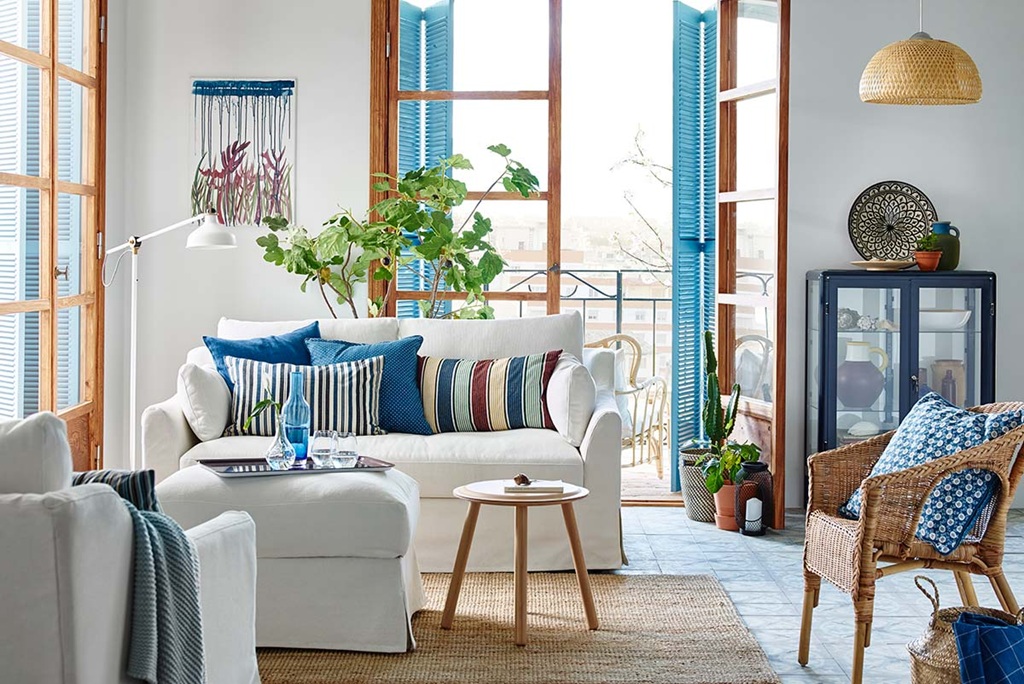
Sustainable design is becoming increasingly important as we strive to reduce our environmental impact. Choosing eco-friendly materials, such as bamboo, recycled wood, and cork, can minimize your carbon footprint. Opt for energy-efficient appliances and lighting systems to reduce energy consumption. Incorporating water-saving fixtures and rainwater harvesting systems can conserve water resources. Consider using low-VOC paints and natural cleaning products to improve indoor air quality. Implementing a composting system and recycling program can further enhance your home’s sustainability.
Creating Functional Zones: Defining Spaces for Specific Activities
Creating functional zones within your home can enhance efficiency and organization. Defining spaces for specific activities, such as a home office, a reading nook, or a yoga corner, can create a sense of purpose and structure. Using furniture, rugs, and lighting to delineate zones can create visual separation without the need for walls. Consider the flow of traffic and the placement of furniture to ensure that each zone is easily accessible and functional.
Related: Smart Design Secrets: Maximize Space & Function in Every Room
Embracing the Power of Texture: Adding Depth and Interest
Texture adds depth and interest to a space, creating a more tactile and engaging environment. Incorporating a variety of textures, such as wood, metal, glass, and fabric, can add visual and sensory appeal. Consider using textured wall coverings, such as wallpaper or textured paint, to create focal points. Layering textiles, such as rugs, cushions, and throws, can add warmth and comfort. Incorporating natural materials, such as stone and leather, can add a sense of organic texture.
Creating a Relaxing Retreat: Designing for Comfort and Well-Being
Creating a relaxing retreat within your home is essential for promoting well-being and reducing stress. Designing a comfortable and inviting space for relaxation, such as a cozy reading nook or a spa-like bathroom, can enhance your quality of life. Incorporating soft lighting, comfortable seating, and calming colors can create a serene atmosphere. Consider adding aromatherapy diffusers, sound machines, and weighted blankets to enhance relaxation. Prioritize comfort and functionality when selecting furniture and décor.
Designing for Accessibility: Creating Inclusive Spaces
Designing for accessibility ensures that your home is inclusive and accommodating for everyone, regardless of their age or physical abilities. Incorporating features such as wider doorways, grab bars, and ramps can enhance accessibility for individuals with mobility challenges. Consider the placement of light switches, outlets, and other controls to ensure that they are easily accessible. Designing a universal design approach allows for a home that is functional and comfortable for everyone.
Incorporating Technology for Entertainment: Creating a Home Theater
Incorporating technology for entertainment can transform your home into a hub for relaxation and enjoyment. Creating a home theater with a large screen, surround sound system, and comfortable seating can provide an immersive entertainment experience. Consider using smart home technology to automate lighting and temperature controls for a seamless viewing experience. Integrating gaming consoles and virtual reality headsets can further enhance the entertainment options.
Related: 10 Perfect Color Combinations to Enhance Your Decor
Maintaining a Clutter-Free Environment: The Key to a Serene Home
Maintaining a clutter-free environment is essential for creating a serene and organized home. Implementing a regular decluttering routine can help prevent clutter from accumulating. Utilizing storage solutions, such as baskets, bins, and shelves, can help keep items organized and out of sight. Consider adopting a minimalist approach to décor, focusing on essential items and avoiding unnecessary clutter.
People Also Ask (FAQs)
Q: How can I maximize space in a small apartment? A: Use multifunctional furniture, vertical storage solutions, and light colors to create the illusion of space.
Q: What are the benefits of incorporating biophilic design? A: Biophilic design promotes relaxation, reduces stress, and enhances well-being by connecting you with nature.
Q: How can I create a cohesive color palette for my home? A: Choose a palette that reflects your personal style and the desired ambiance, considering the psychological effects of different colors.
Q: What smart home technology should I invest in? A: Consider smart thermostats, lighting systems, security systems, and appliances to enhance convenience and efficiency.
Q: How can I personalize my space with art and décor? A: Display artwork, photographs, and collectibles that you love, and incorporate textiles and decorative objects that reflect your style.
Related: Maximize Fun & Function: Space-Saving Furniture Ideas for Stylish Kids’ Rooms
Conclusion
Transforming your home into a sanctuary is an ongoing process that involves thoughtful planning, creative solutions, and a personal touch. By incorporating smart design tips, you can create a space that is not only aesthetically pleasing but also functional, comfortable, and reflective of your unique personality. Embracing multifunctional furniture, harnessing the power of light, integrating biophilic design, and personalizing your space with art and décor are just a few of the strategies that can help you create a home that truly enhances your daily life. By prioritizing sustainability, accessibility, and technology, you can create a home that is both modern and timeless, a true sanctuary for years to come.


