

The allure of a vibrant underwater world, teeming with colorful fish, swaying corals, and intricate invertebrates, is a captivating one. For many aquarists, the pinnacle of this fascination lies in establishing a saltwater aquarium. While undeniably more complex than its freshwater counterpart, the rewards of a thriving marine ecosystem are immeasurable. This comprehensive guide will navigate you through every crucial step of setting up your own saltwater slice of the ocean, ensuring a successful and enjoyable journey into the realm of marine aquariculture.
Planning Your Saltwater Sanctuary: Laying the Foundation for Success
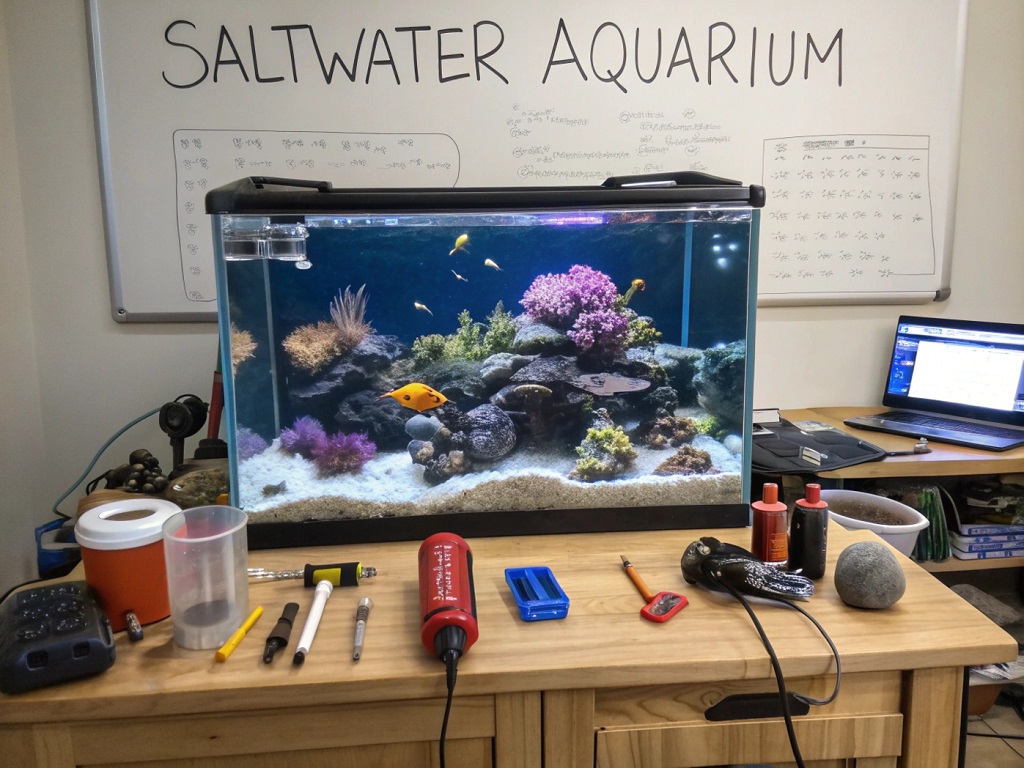
Before even considering the equipment or livestock, meticulous planning is paramount for a successful saltwater aquarium. This initial phase will dictate the long-term viability and enjoyment of your marine setup.
Defining Your Vision: Size, Budget, and Livestock Goals
The first step involves envisioning your ideal saltwater aquarium. Consider the available space in your home, as saltwater tanks generally require more substantial volumes than freshwater setups to maintain stable water parameters. Larger tanks (75 gallons and above) are often recommended for beginners due to their greater stability and the wider range of livestock they can accommodate.
Next, establish a realistic budget. Saltwater aquariums involve higher initial and ongoing costs compared to freshwater tanks. Factor in the price of the tank itself, filtration systems, lighting, heating, substrate, rockwork, salt mix, testing kits, and eventually, the marine inhabitants. Research the approximate costs of your desired livestock as well, as certain fish and corals can be quite expensive.
Finally, think about the type of marine environment you wish to create. Do you envision a fish-only system with hardy species? Or are you drawn to the beauty of a reef tank, housing corals and invertebrates alongside fish? Your livestock goals will significantly influence the type of equipment and maintenance required. Research the specific needs of the fish and invertebrates that interest you to ensure compatibility and your ability to provide their necessary care.
Selecting the Ideal Location: Stability and Accessibility
Choosing the right location for your saltwater aquarium is crucial for its stability and your convenience. The chosen spot should be able to support the significant weight of a filled aquarium. Avoid areas with heavy foot traffic or where the tank could be easily bumped.
Temperature fluctuations can stress marine life, so steer clear of direct sunlight, drafts from windows or doors, and areas near heating or cooling vents. Consider the proximity to electrical outlets for powering equipment and the ease of access for water changes and maintenance. A level surface is essential to prevent stress on the tank seams.
Gathering the Essential Equipment: The Heart of Your Marine System
Once you have a clear plan, the next stage involves acquiring the necessary equipment to create a life-supporting environment for your future marine inhabitants.
The Aquarium Tank: Your Window to the Ocean
Saltwater aquariums come in various shapes and sizes, typically made of glass or acrylic. Glass tanks are more scratch-resistant and generally more affordable, while acrylic tanks are lighter, offer better insulation, and allow for more complex shapes. For beginners, a standard rectangular glass tank of at least 75 gallons is a good starting point. Ensure the tank you choose is specifically designed for saltwater use, as the seals and materials may differ from freshwater tanks.
The Foundation: Substrate and Rockwork
The substrate forms the bottom layer of your aquarium and plays a role in biological filtration and aesthetics. For saltwater tanks, popular choices include aragonite sand, which helps buffer pH, or crushed coral. The depth of the substrate depends on your livestock plans; some fish and invertebrates require a deeper sand bed for burrowing.
Rockwork is essential for providing shelter, creating visual interest, and serving as a surface for beneficial bacteria to colonize, which are crucial for the nitrogen cycle. Live rock, which is rock collected from the ocean and harbors beneficial microorganisms, is highly recommended for establishing a healthy biological filter. Alternatively, dry rock can be used, but it will take longer to become biologically active. Arrange the rockwork to create caves, ledges, and open swimming areas for your future inhabitants. Ensure the structure is stable to prevent collapses.
The Lifeblood: Filtration Systems
Effective filtration is the cornerstone of a healthy saltwater aquarium. Marine systems typically employ multiple types of filtration:
- Mechanical Filtration: This removes particulate matter from the water. Common mechanical filters include hang-on-back (HOB) filters, canister filters, and sumps with filter socks or sponges. Regular cleaning or replacement of mechanical filter media is essential to prevent the buildup of detritus.
- Chemical Filtration: This removes dissolved organic compounds, odors, and other unwanted substances. Activated carbon and specialized resins are common chemical filter media. These media are typically placed in a media bag within a filter or sump.
- Biological Filtration: This is arguably the most crucial aspect of saltwater filtration. Beneficial bacteria colonize surfaces within the aquarium, primarily on the live rock and substrate, and convert harmful ammonia and nitrite (produced by fish waste) into less toxic nitrate. A sufficient amount of surface area for bacterial colonization is vital.
- Protein Skimmer: This device is particularly important for saltwater tanks. It removes organic waste products before they break down and pollute the water. Protein skimmers work by creating fine bubbles that attract organic molecules, which are then collected in a cup for removal. The size and type of protein skimmer should be appropriate for the size and bioload of your aquarium.
- Sump (Optional but Highly Recommended): A sump is a separate tank, usually located below the main display tank, that houses much of the filtration equipment (protein skimmer, heater, reactors) and provides additional water volume, enhancing stability. Water flows from the main tank to the sump and is then pumped back.
Maintaining the Aquatic Climate: Heating and Circulation
Maintaining a stable and appropriate water temperature is critical for the health of marine organisms. A reliable aquarium heater, sized appropriately for your tank volume, is essential. Submersible heaters are commonly used and should be placed in an area with good water flow. A thermometer is necessary to monitor the water temperature regularly.
Proper water circulation is also vital for distributing heat, oxygen, and nutrients throughout the tank and preventing the buildup of stagnant areas. Powerheads or wavemakers are used to create water movement within the aquarium. The flow rate should be appropriate for the type of livestock you intend to keep; some corals, for instance, require strong currents.
Illuminating the Depths: Lighting Systems
The lighting requirements for a saltwater aquarium depend heavily on whether you plan to keep corals. Fish-only tanks require less intense lighting primarily for viewing. However, if you intend to keep photosynthetic corals, specialized lighting systems are necessary to provide the light spectrum and intensity they need to thrive. Metal halide, LED, and fluorescent lights are common choices for reef tanks. Research the specific lighting needs of the corals you plan to keep. A timer can automate the photoperiod (the duration of light exposure).
Ensuring Water Quality: Testing and Maintenance Equipment
Maintaining optimal water parameters is crucial for the health of your marine inhabitants. This requires regular testing using a reliable saltwater test kit. Essential parameters to monitor include salinity, temperature, pH, alkalinity, ammonia, nitrite, and nitrate.
Other essential maintenance equipment includes:
- Hydrometer or Refractometer: To measure salinity. A refractometer is generally more accurate.
- Buckets: For mixing saltwater and performing water changes.
- Gravel Vacuum: For cleaning the substrate.
- Algae Scraper: For removing algae from the tank walls.
- Salt Mix: High-quality marine salt mix is essential for creating saltwater.
- Reverse Osmosis/Deionization (RO/DI) Unit (Highly Recommended): This removes impurities from tap water, making it suitable for saltwater aquariums and preventing the introduction of unwanted substances.
The Art of Aquascaping: Creating Your Underwater Landscape
Aquascaping involves arranging the substrate and rockwork to create an aesthetically pleasing and functional environment for your marine life. Consider creating different levels, caves, and open spaces. Ensure that the rockwork is stable and will not topple over. Leave sufficient space for swimming and future coral growth.
The Cycle of Life: Establishing the Nitrogen Cycle
Before introducing any livestock, it is absolutely crucial to establish the nitrogen cycle. This natural biological process converts harmful ammonia and nitrite into less toxic nitrate. This process typically takes several weeks. There are two main methods for cycling a tank:
- Fishless Cycling: This involves introducing a source of ammonia (e.g., pure ammonia or fish food) into the empty tank and monitoring the levels of ammonia, nitrite, and nitrate with a test kit. The cycle is complete when ammonia and nitrite consistently read zero, and nitrate is present.
- Using Live Rock: Live rock contains beneficial bacteria and can help speed up the cycling process. However, it still requires monitoring water parameters.
Patience is key during the cycling process. Do not rush to add livestock before the nitrogen cycle is fully established, as this can lead to stress and even death of your marine inhabitants.
Introducing Your Marine Inhabitants: A Gradual and Thoughtful Process
Once the nitrogen cycle is complete and your water parameters are stable, you can begin to introduce your chosen marine life. This should be done gradually to avoid overwhelming the biological filter.
Acclimation: Ensuring a Smooth Transition
Proper acclimation is essential to minimize stress when introducing new fish or invertebrates to your aquarium. Different methods exist, but a common approach involves floating the sealed bag containing the new arrival in your aquarium for 15-20 minutes to allow the temperatures to equalize. Then, gradually add small amounts of your aquarium water to the bag over the course of an hour, allowing the animal to adjust to the new water parameters. Finally, carefully net the animal and release it into the tank, avoiding the introduction of the water from the bag.
Stocking Levels: Less is Often More
Avoid overstocking your aquarium. Too many fish or invertebrates can lead to poor water quality and stress. Research the adult size and space requirements of each species you intend to keep and choose inhabitants that are compatible with each other and your tank size. A general guideline is the “inch-per-gallon” rule, but this is a very rough estimate and should not be the sole determining factor. Consider the activity level, territoriality, and waste production of each species.
Quarantine Tank (Highly Recommended): Protecting Your Main Display
A quarantine tank is a separate, smaller tank used to house new arrivals for several weeks before introducing them to the main display tank. This allows you to observe them for any signs of disease or parasites and treat them if necessary, preventing the introduction of problems into your established aquarium.
The Ongoing Commitment: Regular Maintenance for a Thriving Ecosystem
Maintaining a healthy saltwater aquarium is an ongoing commitment that involves regular testing, cleaning, and water changes.
Water Testing: Your Window into Water Quality
Regularly test your water parameters (at least weekly) to ensure they are within the optimal ranges for your livestock. Pay close attention to salinity, temperature, pH, alkalinity, ammonia, nitrite, and nitrate. Adjustments should be made gradually.
Water Changes: Replenishing and Rejuvenating
Partial water changes (typically 10-20% of the tank volume every one to two weeks) are essential for replenishing essential trace elements, removing accumulated nitrates and other waste products, and maintaining stable water chemistry. Use high-quality marine salt mix and RO/DI water for water changes. Ensure the temperature and salinity of the new water match that of the aquarium water.
Cleaning and Maintenance: Keeping Things Pristine
Regularly clean your protein skimmer, filter media, and the aquarium glass to remove algae and detritus. Use a gravel vacuum to clean the substrate during water changes. Prune any excessive algae growth.
Observation: The Keen Eye of the Aquarist
Regularly observe your fish and invertebrates for any signs of stress, disease, or unusual behavior. Early detection is crucial for addressing potential problems before they escalate.
Discover More: How to Remove Sticky Residue From Window Frames After Removing Decals
People Also Ask (FAQs)
-
What is the ideal salinity for a saltwater aquarium?
- The ideal specific gravity for most reef tanks is between 1.025 and 1.026, which corresponds to a salinity of around 35 ppt (parts per thousand). Use a calibrated refractometer for accurate readings.
-
How often should I perform water changes?
- A general recommendation is to perform a 10-20% water change every one to two weeks. However, this can vary depending on your tank size, stocking level, and filtration.
-
How long does it take to cycle a saltwater tank?
- The nitrogen cycle typically takes 4-8 weeks to establish fully. Monitor your water parameters regularly to determine when the cycle is complete.
-
What are common problems in saltwater aquariums?
- Common issues include algae blooms, fluctuations in water parameters, fish diseases (like ich), and coral problems (like bleaching). Regular testing and maintenance are key to preventing these issues.
-
Can I use tap water for my saltwater aquarium?
- It is highly recommended to use RO/DI water for your saltwater aquarium. Tap water often contains impurities like chlorine, chloramine, phosphates, and heavy metals that can be harmful to marine life and contribute to algae growth.
-
How much does it cost to set up a saltwater aquarium?
- The initial cost can vary greatly depending on the size of the tank, the quality of the equipment, and your livestock choices. A basic setup for a 75-gallon tank can range from $1000 to $3000 or more. Ongoing costs include electricity, salt mix, test kits, and food.
-
What are some hardy saltwater fish for beginners?
- Some relatively hardy saltwater fish suitable for beginners include clownfish, damselfish (some species), gobies, and blennies. Research the specific needs and temperament of any fish before introducing them to your tank.
-
Are saltwater tanks noisy?
- Some equipment, like protein skimmers and powerheads, can produce some noise. Choosing quality equipment and properly positioning it can help minimize noise levels. Sumps can also help to contain some of the noise.
-
How do I deal with algae in my saltwater tank?
- Some algae growth is normal, but excessive growth can indicate imbalances in nutrients or lighting. Maintaining proper water parameters, performing regular water changes, using a protein skimmer, and introducing algae-eating invertebrates (like snails and hermit crabs) can help control algae.
-
What is the difference between a fish-only and a reef tank?
- A fish-only (FO) tank primarily houses fish and may include some non-photosynthetic invertebrates. A reef tank aims to create an environment suitable for corals and other photosynthetic invertebrates, requiring more intense lighting and careful maintenance of specific water parameters.
Read More Also: How to Use Cleaning Crystals for Invisalign: A Complete Guide
Conclusion: The Rewarding Journey into Marine Aquariculture
Setting up a saltwater aquarium is a challenging yet incredibly rewarding endeavor. It requires careful planning, investment in appropriate equipment, a thorough understanding of the nitrogen cycle, and an ongoing commitment to maintenance. However, the opportunity to create and observe a miniature ocean ecosystem in your own home is a truly captivating experience. By following the steps outlined in this guide, conducting thorough research, and exercising patience, you can successfully embark on this fascinating journey and enjoy the beauty and wonder of a thriving saltwater aquarium for years to come. Remember that continuous learning and observation are key to long-term success in marine aquariculture. Embrace the process, be patient, and enjoy the mesmerizing world you create.


