

Welcome to the comprehensive and in-depth exploration of the gender pay gap in the world. In this article, we will delve into the complexities of this important issue, shedding light on its causes, implications, and possible solutions. The gender pay gap is a pressing global concern that impacts individuals, societies, and economies, and understanding it is crucial for progress toward a more equitable world. So, let’s dive in! This article is presented to you by Carolinejoyblog.com.
What is the Gender Pay Gap?
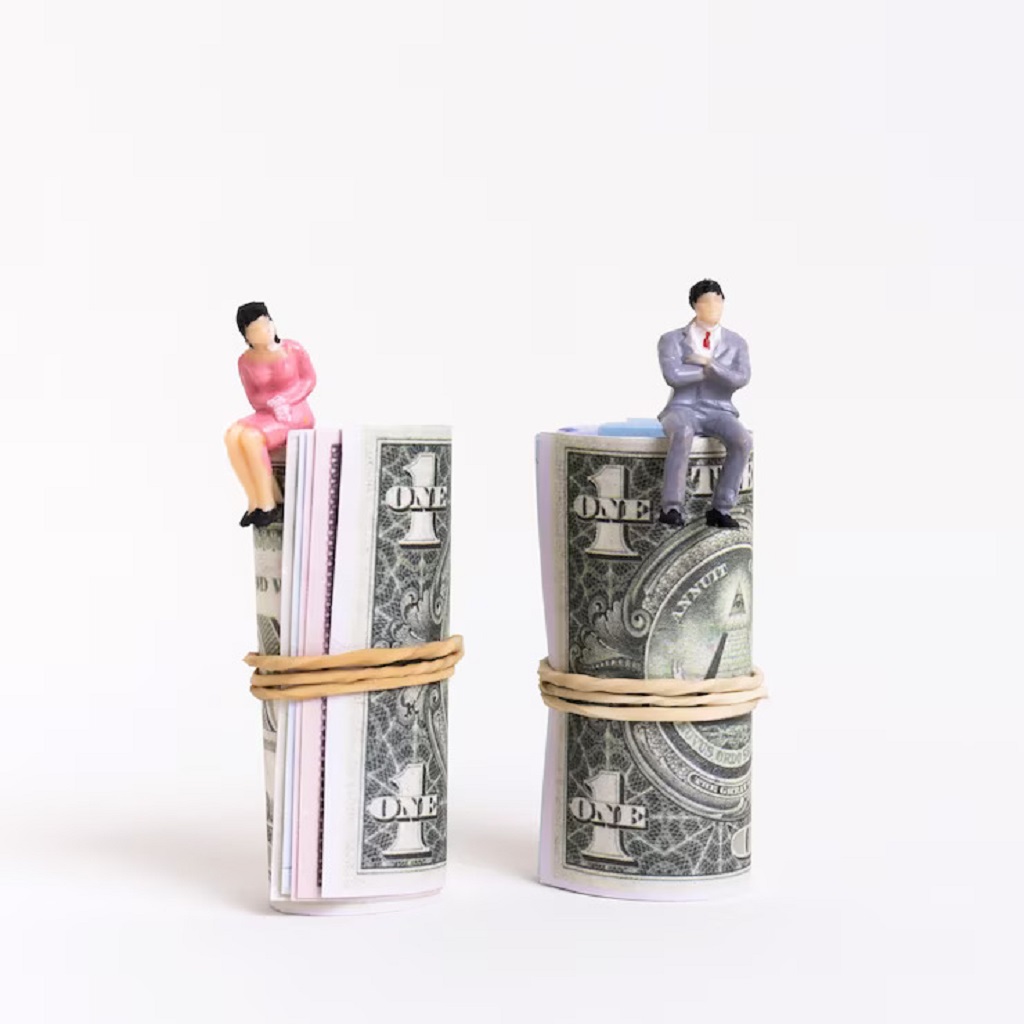
The gender pay gap refers to the difference in average earnings between men and women in the workforce. It is often expressed as a percentage, indicating the amount women earn compared to men. Despite significant advancements in women’s rights over the years, the gender pay gap remains a persistent issue in many parts of the world. Explore when women earn more than men.
Factors Contributing to the Gender Pay Gap
Several factors contribute to the existence of the gender pay gap:
1. Occupational Segregation
One of the primary drivers of the pay gap is occupational segregation. Women are often concentrated in certain industries or professions that historically pay less than male-dominated fields, perpetuating the income disparity.
2. Unequal Pay for Equal Work
Even within the same industry and job roles, women tend to earn less than their male counterparts. This discrepancy is due to pay discrimination, where women are paid less for performing the same work as men.
3. Career Advancement Opportunities
Limited access to career advancement opportunities can also widen the gender pay gap. Glass ceilings, biased promotions, and family responsibilities often hinder women’s progress in their careers, impacting their earning potential.
4. Motherhood Penalty
The motherhood penalty is a significant factor in the gender pay gap. Women who become mothers often face reduced job opportunities, wage penalties, and even discrimination due to perceived commitments to family life.
5. Negotiation and Social Norms
Studies suggest that women are less likely to negotiate for higher salaries compared to men. Additionally, societal norms and expectations about women’s roles can influence their career decisions and earning potential.
The Global Picture of the Gender Pay Gap
Regional Disparities
The gender pay gap varies significantly from region to region. In some countries, the gap is narrower due to progressive policies and cultural attitudes, while in others, it remains alarmingly wide.
Europe
Several European countries have made substantial progress in reducing the gender pay gap. Nations like Iceland, Sweden, and Norway have implemented proactive measures, such as pay transparency laws and equal pay certification programs, to tackle the issue.
United States
In the United States, the gender pay gap persists, with women earning around 82 cents for every dollar earned by men. Racial and ethnic disparities further compound the problem, with women of color experiencing even larger pay gaps.
Asia
Asian countries, too, exhibit a range of gender pay gap scenarios. Countries like Japan and South Korea face considerable challenges in bridging the gap, while others, like the Philippines and Singapore, have made strides toward pay equality.
Impact on Individuals and Society
The gender pay gap has far-reaching consequences for individuals, families, and societies as a whole.
Financial Insecurity
Women earning less than men face financial insecurity, making it challenging to achieve economic independence and build a secure future.
Poverty and Inequality
The gender pay gap contributes to higher rates of poverty among women, perpetuating social and economic inequality.
Retirement Savings
Lower earnings lead to reduced retirement savings for women, making them more vulnerable to financial difficulties in their later years.
Economic Growth
Gender pay inequality also hampers economic growth. Closing the gender pay gap could boost GDP and enhance overall prosperity.
Strategies to Reduce the Gender Pay Gap
Addressing the gender pay gap requires a multi-faceted approach, involving policymakers, employers, and individuals.
Pay Transparency
Introducing pay transparency measures can help identify and rectify pay disparities within organizations. By shedding light on wage gaps, companies can take targeted action to ensure fair compensation.
Equal Pay Certification
Governments can implement equal pay certification programs that encourage companies to assess and rectify gender pay disparities. Certification can also serve as a positive incentive for companies committed to fairness.
Flexible Work Policies
Promoting flexible work arrangements can enable better work-life balance, supporting women’s career advancement and narrowing the pay gap.
Education and Training
Education plays a crucial role in challenging gender stereotypes and biases. Providing training on diversity and inclusion can help create more equitable workplaces.
Closing the Gender Leadership Gap
Encouraging gender diversity in leadership positions is essential to combatting the pay gap. More women in leadership roles can influence company policies and create a more inclusive work culture.
Conclusion
The gender pay gap is a multifaceted issue that requires collective efforts from governments, organizations, and individuals to bridge the divide. By promoting equality, challenging stereotypes, and implementing proactive policies, we can create a world where everyone receives fair compensation for their work, regardless of gender. Unraveling the complexity of this problem is crucial to understanding its root causes and finding effective solutions that can lead to a more equitable future.
Let us all commit to making a positive change and working together to eliminate the gender pay gap. Together, we can build a brighter, more equitable future for all.

