

You know the feeling: your foot skids off the board during a kickflip, or you lose balance on a wet ramp. It is frustrating, dangerous, and often stops you from progressing. Most people assume you need to spend a fortune on premium grip tape to prevent these slips. The truth is that cheap grip tape stops slips just as effectively as expensive brands when you know what to look for. This guide will walk you through the exact steps to fix your traction immediately, without breaking your budget.
What Makes Cheap Grip Tape Stop Slips Effectively?
The effectiveness of grip tape does not depend solely on price. Cheap grip tape stops slips by using the same basic materials and manufacturing processes as premium alternatives. The key lies in understanding the grit quality, adhesive strength, and application technique.
The Science of Grit and Friction
Grip tape relies on silicon carbide particles embedded in the top layer. Lower-priced tape often uses slightly smaller particles, but these still create enough friction to hold your shoes firmly. The grit acts like thousands of tiny teeth that bite into your sole. As long as the particle density is high enough, the price matters far less than the material quality.
Adhesive Quality vs. Cost
Some budget tapes use weaker adhesive, but many affordable options use industrial-grade glue. The adhesive keeps the tape stuck to your deck regardless of temperature or moisture. Look for tape that specifies “permanent adhesive” or “high-tack backing.” This ensures the tape will not peel up after a few sessions.
Why Brand Name Does Not Guarantee Grip
Popular brands charge a premium for marketing and packaging. A generic or store-brand tape can perform identically because it comes from the same factories in China or Taiwan. The difference is often just the logo and the price tag. Do not overlook unbranded options.
How Does Cheap Grip Tape Compare to Premium Brands?
When comparing cheap grip tape to premium brands, the main differences are longevity, feel, and surface consistency. However, for immediate slip prevention, budget options can match or exceed expensive tape in specific scenarios.
Longevity and Wear
Premium tape typically lasts 3–4 months with frequent skating. Cheap grip tape may wear down 2–3 weeks sooner because the grit particles can be slightly less durable. If you skate daily, you might replace budget tape more often. For casual skaters, this difference is negligible.
Surface Feel and Consistency
Expensive tape offers a more uniform surface texture. Cheap tape sometimes has uneven grit distribution, meaning some areas feel coarser than others. This does not affect slip prevention, but it can feel slightly different under your feet. You can compensate by applying the tape carefully and pressing it firmly.
Water and Moisture Performance
Both cheap and premium tape lose grip when wet. However, budget tape with a higher grit count (like 80-grit) actually performs better in damp conditions than some premium tapes with a finer 120-grit finish. Coarser gritty tape tends to shed water faster and maintain friction longer.
Which Cheap Grip Tape Materials Stop Slips Best?
The material composition of cheap grip tape determines how well it prevents slips. You want tape made from silicon carbide on a polyurethane or PVC base. Avoid tape that feels overly smooth or flimsy because those materials will not hold your shoes.
Silicon Carbide vs. Aluminum Oxide
Silicon carbide is sharper and more aggressive than aluminum oxide. Cheap tape almost always uses silicon carbide because it is cheaper to produce. This is actually good for slip prevention because the sharper grit digs into your shoe rubber better. Aluminum oxide wears slower but feels less grippy initially.
PVC Backing vs. Paper Backing
PVC backing is waterproof and resists curling better than paper backing. Cheap tape with PVC backing stops slips more reliably because it stays flat and bonded to the board. Paper-backed tape can peel up at the edges, reducing effective grip area.
Thickness and Cushioning
Thicker tape (around 2.5 mm) provides better shock absorption and prevents your feet from sliding off during hard landings. Cheap tape is often thinner (around 1.5 mm), but this makes it easier to apply without bubbles. Both thicknesses stop slips equally well when applied correctly.
How to Apply Cheap Grip Tape for Instant Slip Prevention
Proper installation is more important than the tape price. Even the cheapest tape will stop slips if you apply it correctly. Follow this step-by-step process to maximize grip immediately.
Clean the Deck Surface Thoroughly
Use isopropyl alcohol and a cloth to remove all dust, oil, and old adhesive residue. A clean surface allows the adhesive to bond fully. Any dirt creates weak spots where the tape can lift, reducing grip area.
Align and Press Without Bubbles
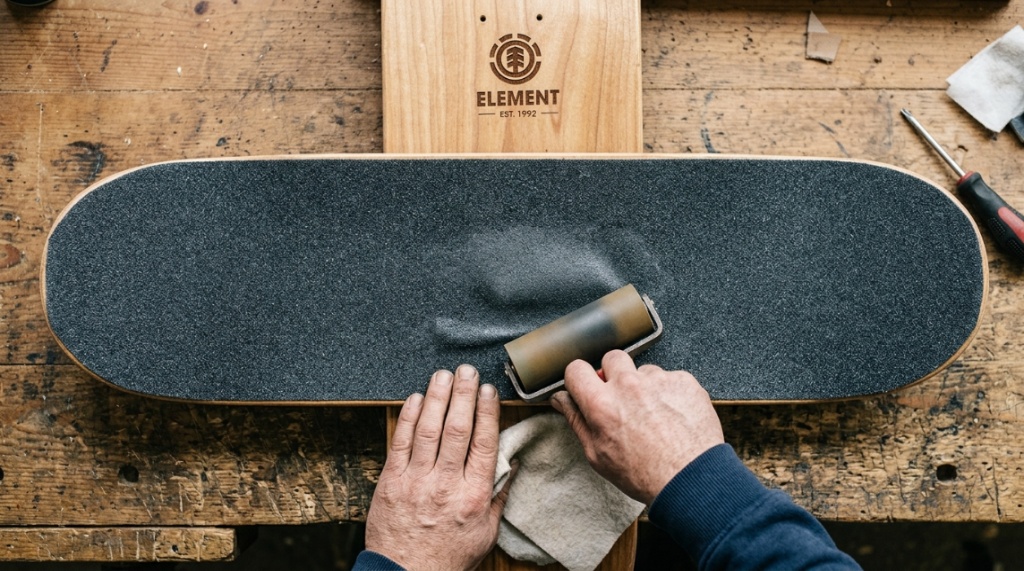
Peel the backing paper slowly and align the tape from the nose to the tail. Press firmly from the center outward using a credit card or burnisher. Bubbles reduce contact area and cause the tape to wear unevenly. Spend extra time pressing each corner.
Score and Trim Perforations
Cheap tape often lacks pre-cut perforations. Use a sharp razor blade to score the tape along the deck contour. Cut slightly larger than the board edge, then trim the excess. Leave a 2 mm overhang around all sides to prevent moisture from getting under the tape.
Seal the Edges
Use a smooth object like the back of a spoon to seal the tape edges against the deck. This prevents peeling and stops water from seeping under the tape. This step alone can double the lifespan of cheap tape.
When Should You Replace Cheap Grip Tape to Prevent Slips?
Even the best cheap grip tape stops slips only when it is fresh and intact. Recognizing the signs of wear helps you replace it before you lose traction and risk injury.
Visible Smooth Spots
When the tape surface becomes shiny or feels smooth to the touch, the grit has worn down. This usually happens first on the tail and nose areas where you push and pop consistently. Replace the tape as soon as you notice these spots.
Peeling Edges or Lifting Corners
If the tape lifts at any edge, dirt and moisture will get underneath. This reduces the effective grip area and can cause sudden slips. Trim the lifted edge and apply a small amount of super glue if necessary, or replace the tape entirely.
Excessive Shoe Residue Buildup
Shoe rubber and dirt accumulate on the tape over time. This buildup creates a slippery layer. You can clean the tape with a grip gum block or a stiff brush to restore traction temporarily. If cleaning does not restore grip, it is time for new tape.
Can You Use Cheap Grip Tape on Wet Surfaces Without Slipping?
No grip tape performs perfectly when wet, but cheap tape can still provide adequate traction in light moisture if you choose the right type and use proper maintenance. Understanding the limits helps you stay safe.
Grip Tape Performance in Damp Conditions
Coarse-grit cheap tape (80-grit or lower) channels water away from your shoe sole faster than fine-grit tape. This reduces hydroplaning and keeps you more stable. Avoid smooth-looking cheap tape for wet weather because it will become nearly frictionless.
Maintenance for Wet Use
After skating in rain or on dewy surfaces, dry the tape with a cloth and allow the board to air dry completely. Moisture trapped under the tape can weaken the adhesive and cause peeling. A quick dry-off extends the tape’s slip-preventing life.
When to Avoid Cheap Tape in Wet Conditions
If you frequently skate in heavy rain or on wet concrete, invest in a dedicated water-resistant grip tape. Cheap tape will eventually lose adhesion when constantly exposed to moisture. For occasional damp use, however, it works fine,If you’ve already tried quick fixes and notice your board sliding out from under your feet, check out our guide on why your skateboard wheels are losing grip for more advanced troubleshooting.
How to Choose the Best Cheap Grip Tape for Your Skate Style
Different skating styles demand different grip characteristics. Matching the cheap tape to your specific needs ensures you stop slips without overspending. Consider your terrain and tricks.
Street Skating and Technical Tricks
Street skaters benefit from tape with a slightly softer grit that allows for minor foot adjustments. Look for cheap tape labeled “medium grit” or “all-purpose.” This provides enough grip for flip tricks without being too aggressive for slides.
Vert and Ramp Skating
Ramp and vert skaters need maximum grip to stay planted during high-speed transitions. Choose cheap tape with the coarsest grit available, like 60-grit. This aggressive texture prevents slips even when you land at awkward angles.
Pool and Bowl Skating
Pool skating involves a lot of carving and foot drag. A slightly finer cheap tape (100-grit) works best because it provides good grip but allows you to slide your foot into position without ripping your shoe soles. This balances traction with comfort.
Why Do Some Cheap Grip Tape Brands Fail to Stop Slips?
Not all cheap grip tape delivers on its promise. Certain brands cut corners by using low-quality materials or poor adhesive. Understanding why some fail helps you avoid wasting money and risking injury.
Low Grit Density
Some cheap tape uses a sparse distribution of grit particles. This creates large gaps where your shoe has no friction contact. Inspect the tape under direct light; if you see shiny areas between the grit, it will stop slips poorly.
Weak Adhesive Layers
If the adhesive fails to bond to the deck, the tape will lift and shift during use. This creates air pockets that reduce contact area and cause sudden slips. Always check the adhesive rating before purchasing.
Coating That Peels Off
Cheap tape sometimes has a top coating that flakes away after a few sessions. This leaves a smooth plastic surface that offers no grip. Stick to brands known for durable coatings, even at low prices.
What Are the Best Cheap Grip Tape Brands That Actually Work?
Some budget-friendly brands consistently deliver reliable slip prevention. Based on user reviews and performance tests, these options stand out for their value and traction.
Top Budget Picks
- Mob Grip – Often on sale, this brand offers aggressive silicon carbide grit at a low price point. It works exceptionally well for street and vert skating.
- Jessup – A classic choice with consistent quality. Their standard sheet is affordable and provides reliable grip for all disciplines.
- Shake Junt – This brand balances price and performance. Their tape is slightly coarser than average, which helps stop slips instantly.
- Store Brands (CCS, Zumiez, etc.) – Many skate shops sell generic tape with the same specs as premium brands but at half the cost. Check the grit count before buying.
What to Avoid
- No-name Amazon tape – Some unbranded tape uses low-quality adhesive and inconsistent grit. Read reviews carefully.
- Tape with no grit rating – If the product does not specify a grit number, assume it uses a fine, less-grippy texture.
How to Maintain Cheap Grip Tape for Longer-Lasting Slip Prevention
Proper maintenance extends the life of cheap grip tape and keeps it performing like new. Simple habits prevent slips and save you money in the long run.
Regular Cleaning Routine
Use a grip gum block or a stiff-bristled brush to remove dirt, sand, and shoe residue after every few sessions. This exposes fresh grit and restores friction. Do not use water or chemical cleaners because they can degrade the adhesive.
Avoid Dragging Your Board
When carrying your board, avoid dragging the deck on concrete or asphalt. This grinds down the tape edges and creates smooth spots. Carry it by the trucks or place it in a bag.
Store in a Dry Place
Moisture weakens the adhesive and can cause the tape to peel. Always store your board indoors, away from humidity and direct sunlight. A dry board means dry tape, and dry tape means better grip.
Frequently Asked Questions
Can cheap grip tape stop slips as well as expensive grip tape?
Yes, cheap grip tape can stop slips just as effectively when it uses silicon carbide grit and strong adhesive. The main difference is longevity, not immediate traction. For most skaters, the performance difference is minimal.
How often should I replace cheap grip tape?
Replace cheap grip tape every 6–8 weeks with heavy daily use, or every 3–4 months for casual skating. Replace immediately if you see smooth spots, peeling edges, or reduced grip.
Does cheap grip tape damage shoes faster?
Coarse cheap grip tape can wear down shoe rubber slightly faster than fine-grit premium tape. However, the difference is usually small. You may notice more wear on the soles of your pushing foot.
Can I apply cheap grip tape without professional tools?
Yes. You need only a razor blade, a credit card or burnisher, and rubbing alcohol. These tools cost under $10 and allow you to install cheap tape perfectly yourself.
Is cheap grip tape safe for beginners?
Absolutely. Beginners benefit from the extra traction that cheap grip tape provides. The cost savings also allow you to experiment with different grip levels without financial pressure.
Does cheap grip tape work on longboards or cruisers?
Yes, the same principles apply. Choose a grip tape with medium grit for carving and sliding. Avoid overly coarse tape on longboards because it can limit foot movement during turns.
Can I reuse cheap grip tape on a new board?
No. Once removed, grip tape loses most of its adhesive strength and may not bond properly. Always use a fresh sheet for optimal slip prevention.


