
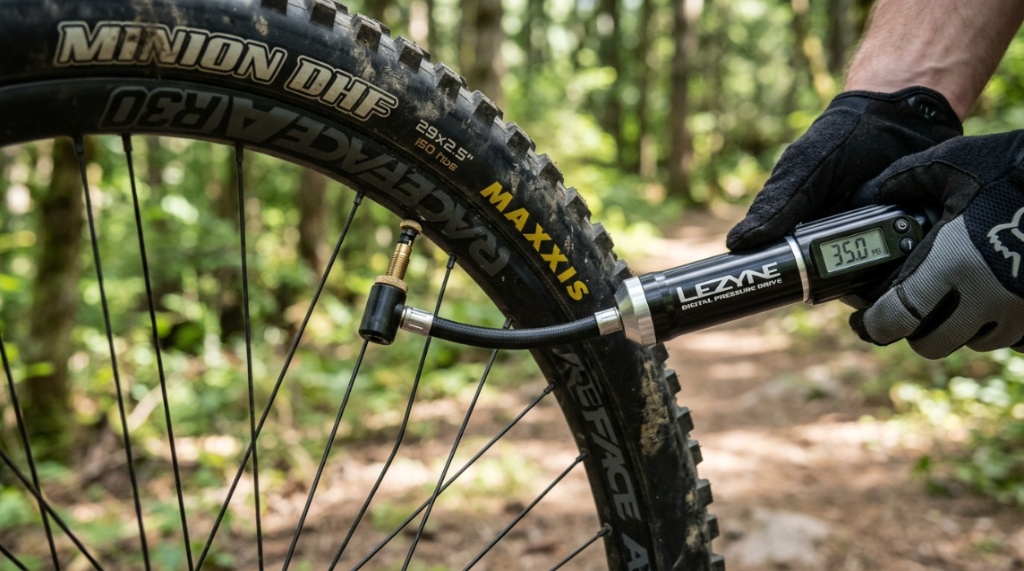
Imagine this: you are five miles into a ride on the Olympic Discovery Trail, the air is crisp, and the views of the Strait of Juan de Juan de Fuca are stunning. Suddenly, your rear tire goes soft. You pull out your pump, and it feels like you are fighting a losing battle against the pressure. Whether you are navigating the steep climbs of the Cascade foothills or commuting through Seattle’s rainy streets, a flat tire is inevitable. The real problem is that many cyclists in Washington State carry the wrong inflator, leading to wasted time, energy, and ruined rides. You need a device that matches the wet, rugged, and varied terrain of the Pacific Northwest. This guide will walk you through exactly how to choose the best bike tire inflator Washington has to offer, ensuring you are ready for whatever the trail throws at you.
What Makes Washington Unique for Choosing a Bike Tire Inflator?
Understanding the Pacific Northwest Climate
Washington is not just any state; it is a biome of extremes. From the rain-soaked forests of the west side to the dry, dusty singletrack of the east, your inflator must handle moisture and mud. An inflator designed for Arizona will fail here. Seals corrode faster in wet conditions, and small parts can freeze in early morning rides near Snoqualmie Pass. You need an inflator with robust weatherproofing and corrosion-resistant materials like brass or anodized aluminum.
Terrain Differences: From Mountain Passes to Urban Trails
A road cyclist on the flat Burke-Gilman trail has different needs than a mountain biker shredding at Tiger Mountain. Road riders need high pressure quickly for skinny tires, while trail riders need high volume to fill wide, knobby tires after a puncture. Washington’s diverse geography means you cannot buy a one-size-fits-all pump. You must match the inflator’s design to your specific riding discipline.
Which Type of Bike Tire Inflator is Best for Washington Riders?
Mini Pumps: The Popular Choice for Most Riders
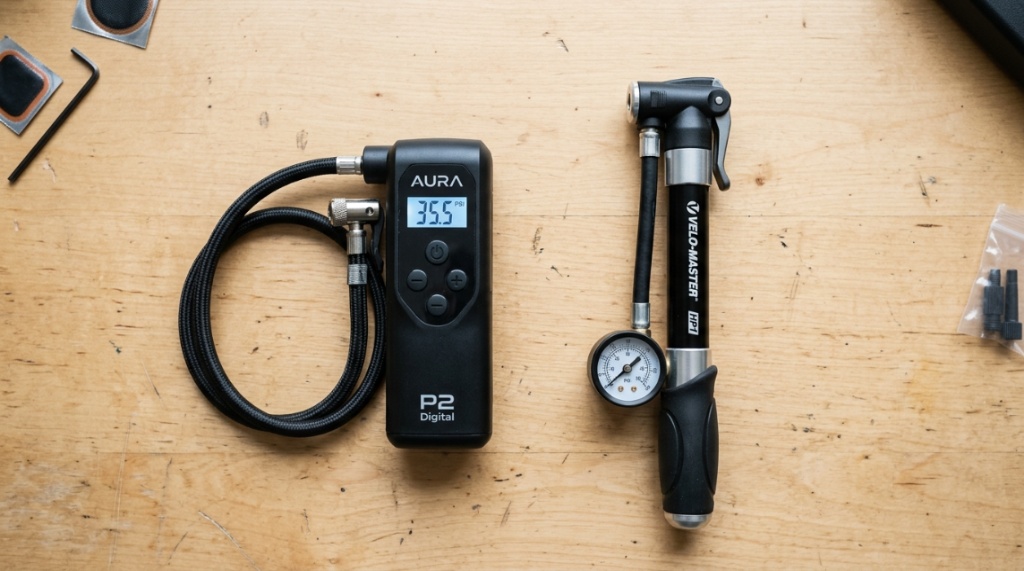
Mini pumps are lightweight and mount neatly under your water bottle cage. They are the go-to for most recreational riders. However, not all mini pumps are created equal. For Washington, look for a model with a built-in pressure gauge and a flexible hose. The hose reduces stress on the valve stem, which is critical when you are cold and fumbling with gloves. The best models can inflate a 700x28c tire to 80 PSI in under 300 strokes.
CO2 Inflators: Speed vs. Cost in Wet Conditions
CO2 inflators are lightning-fast. You screw a cartridge onto the head, press a lever, and your tire is full in seconds. This is a lifesaver in a downpour. However, CO2 cartridges are single-use, expensive over time, and the gas leaks out of the tire faster than air, requiring you to re-inflate later. In Washington’s damp climate, the moisture inside a CO2 cartridge can also cause internal rust if the inflator head is not sealed properly.
Floor Pumps: The Best Option for Home and Car Rack Use
For pre-ride inflation, nothing beats a sturdy floor pump. If you drive to trailheads in the Cascades, a compact floor pump that fits in your car is essential. Look for models with a wide, stable base to handle gravel and mud at parking lots. A dual-stage pump (high volume for MTB tires, high pressure for road bike tires) is the most versatile choice for Washington families with multiple bikes.
Why Does Valve Type Matter in Washington?
Presta vs. Schrader: The Local Divide
In Washington, the battle between Presta and Schrader valves is real. High-end road and mountain bikes almost exclusively use Presta valves, which are thinner and have a locknut. However, older bikes, kids’ bikes, and e-bikes often use Schrader valves (the same as car tires). If you ride with a group or have multiple bikes, you need an inflator that works with both, or you need a system that switches heads easily.
How to Choose a Dual-Head Inflator
A dual-head inflator is the smartest investment for a Washington cyclist. It allows you to swap between Presta and Schrader without carrying adapters that can get lost in the mud. Look for a “smart head” that automatically grips the valve. This prevents cross-threading, which is a common problem when your hands are numb from cold rain in early spring rides.
How Much PSI Do You Need for Washington Trails?
Road Riding in the Puget Sound Region
For smooth pavement, you generally want higher pressure, between 80-120 PSI, to reduce rolling resistance. However, many Washington roads are chip-seal or have cracks from frost heave. Lowering your pressure slightly (70-90 PSI) improves grip and comfort without sacrificing much speed. Your inflator must be capable of reaching these high pressures without requiring excessive effort.
Mountain Biking in the Cascades
Mountain bikers in Washington run much lower pressures—typically 25-35 PSI for trail riding and even lower for downhill. You do not need an inflator that goes to 120 PSI; you need one that moves a large volume of air quickly. A high-volume mini pump is essential. If you are using a CO2 inflator in the woods, remember that cold temperatures (common at high elevation) reduce the gas pressure, so you might need a larger cartridge than usual.
Gravel and Cyclocross Considerations
Gravel riding is exploding in Washington, from the Chumstick Highway to the Chehalis Western Trail. Gravel riders typically run between 35-50 PSI. You need an inflator that is a smooth operator in this mid-range. A pump with a clear, large gauge is critical because setting the exact pressure on gravel is key to traction and avoiding pinch flats on rocks.
Can You Use a Portable Inflator for Tubeless Tires?
The Air Volume Problem for Tubeless Seating
Yes, but it is tricky. Tubeless tires are popular in Washington because they seal small punctures from blackberry thorns and sharp rocks. However, seating a tubeless tire bead requires a sudden blast of air. Most mini pumps cannot deliver this volume. You often need a specialized “tubeless booster” or a large CO2 cartridge (25g or more) to pop the bead onto the rim.
Recommended Solutions for Tubeless Riders
If you ride tubeless, carry a high-volume mini pump as a backup, but rely on a CO2 inflator for emergencies. For home use, a floor pump with a built-in air chamber (like a shock pump) can help seat beads. Practice this at home, not on the side of a muddy trail near North Bend.
What Features Should You Prioritize in a Washington Inflator?
Durability and Material Quality
Plastic pumps will crack in freezing temperatures. Look for CNC-machined aluminum or reinforced composite bodies. Steel is heavy and not ideal for carrying on a jersey, but it is fine for a floor pump. Check for rubber seals that are replaceable. Water ingress is the number one killer of inflators in this state. A pump with an O-ring sealed head will last years longer than a cheap one.
Gauge Accuracy and Visibility
A gauge that is off by 10 PSI can ruin your ride. Under-inflate, and you risk a pinch flat; over-inflate, and you lose traction on wet roots. Digital gauges are more accurate than analog ones, but they require batteries that can die in the cold. A large, analog gauge with a rubber bumper is a solid, reliable choice for the unpredictable Washington weather.
Ease of Use with Gloves
This is a killer feature. In November, your hands are cold and clumsy. The best inflator has a large, ergonomic handle and a locking lever that is easy to flip. Avoid pumps with small thumb screws or fiddly latches. Test the mechanism yourself—if you struggle to operate it in a warm shop, it will be impossible in the rain at the base of Mount Rainier, When selecting the right pump, consider the volume of your tires. High-volume mountain bike tires require more air capacity than skinny road tires. If you are still dialing in your setup, make sure you choose the Right Mountain Bike Wheel Size before matching it with the perfect portable inflator.
How to Properly Maintain Your Bike Inflator in WA
Cleaning After Wet Rides
After a wet ride, wipe down your inflator with a dry cloth. Pay special attention to the valve head where grit and water collect. If you use a CO2 inflator, unscrew the head and let it dry completely overnight. Leaving a wet pump in your pack will cause the aluminum to oxidize and the rubber seals to rot.
Lubrication and Storage Tips
Apply a drop of silicone grease to the pump plunger once a month. This keeps the seal healthy and prevents squeaking. Store your pump in a dry location, not in a damp garage or the back of a car trunk that gets condensation. For portable pumps, keep them in a saddle bag or frame mount, not loose in a backpack where they can get soaked by a water bottle leak.
Where Can You Find the Best Deals on Inflators in Washington?
Local Bike Shops vs. Online Retailers
Local shops like Gregg’s Cycles in Seattle or Bicycle Barn in Spokane offer the advantage of hands-on testing. You can feel the pump quality and ask a mechanic for advice specific to your local trails. However, online retailers often have a wider selection and better prices. The best strategy is to test in-store, then buy online if the price is significantly better.
Evaluating Value vs. Price
Do not buy the cheapest pump on Amazon. It will break, leaving you stranded. A good mid-range pump costs between $40 and $60. High-end pumps from brands like Topeak or Lezyne can cost $80 or more, but they often come with lifetime warranties and replaceable parts, which is a better long-term investment for the dedicated Washington cyclist.
For a curated list of top-rated models that have been tested in wet, cold, and muddy conditions, check out this guide on the best bike tire inflator Washington has seen this season. It breaks down the pros and cons of each model specifically for Pacific Northwest riders.
Why You Should Avoid Buying an Inflator Without a Pressure Gauge
The Risk of Tire Damage and Poor Performance
Riding by feel is a recipe for disaster. Without a gauge, you might over-inflate a tire until it bursts, or under-inflate it, leading to a snakebite puncture when you hit a pothole on Dexter Avenue. A gauge removes the guesswork. It is the single most important feature for safe riding in urban areas like Seattle where road hazards are common.
How to Read a Gauge Quickly
Look for a gauge that has both PSI and BAR readings. If you are in a hurry, you only need to look at the PSI number. Digital gauges often have a hold button that keeps the reading on screen after you detach the head, which is very useful when you are trying to pack up quickly in the rain.
Frequently Asked Questions
Can I use a car tire pump on my bike tire?
Yes, but only if the pump has a Schrader valve head. Most car pumps are designed for high volume, low pressure, which works fine for mountain bike tires. However, they are usually too slow for road bike tires that need high pressure and are often bulky to carry on a ride.
How often should I replace my bike pump?
Replace a mini pump when the seals start to leak or the plunger feels gritty. A good floor pump can last 5-10 years if you maintain it. Signs of wear include difficulty reaching pressure, air escaping around the head, or a broken gauge.
Is a CO2 inflator bad for my tires?
No, but CO2 gas molecules are smaller than oxygen molecules. This means the gas will leak out of your tire faster than air. You will need to top off your tire with a regular pump later. CO2 also freezes the valve stem slightly, so be careful not to burn your fingers.
What is the best way to carry a mini pump on a bike?
Frame-mounted pumps are the most secure. Mount them under the water bottle cage or alongside the down tube using a bracket. Saddle bags are a secondary option, but the pump can bounce around and scratch your frame or the bag.
Can I use a bike pump for other inflatables?
Yes, a high-volume floor pump works well for inflating sports balls, air mattresses, and pool toys. However, avoid using a pump with a dirty valve head on your bike, as it can introduce grit into your tire valve.
Do I need a special pump for a Presta valve adapter?
No, but it is easier to have a dual-head pump. If you use an adapter, make sure it is a high-quality brass fitting, not a cheap plastic one, as they can stick to the valve and cause damage when you try to remove it.
Why is my new pump hard to push?
This usually means the internal seal is too tight or dry. Lubricate the plunger with a light silicone grease. If the pump is brand new, it might just need a break-in period. Also, ensure you are using the correct valve type (Presta vs. Schrader) as the wrong head can block airflow.
Conclusion
Choosing the best bike tire inflator Washington riders need is about more than just picking a color or a brand. It is about matching the tool to the environment. You need a pump that resists corrosion, works with your specific valve type, and delivers the right pressure for your terrain—whether that is a wet gravel road, a rooty mountain trail, or a smooth urban commute. Do not settle for a cheap, fragile pump that will leave you stranded. Invest in a durable, feature-rich inflator with a reliable gauge. This piece of gear is your safety net. Keep it maintained, keep it dry, and practice using it at home so you are ready when the moment comes. Your next ride in the beautiful Washington wilderness depends on it.


