
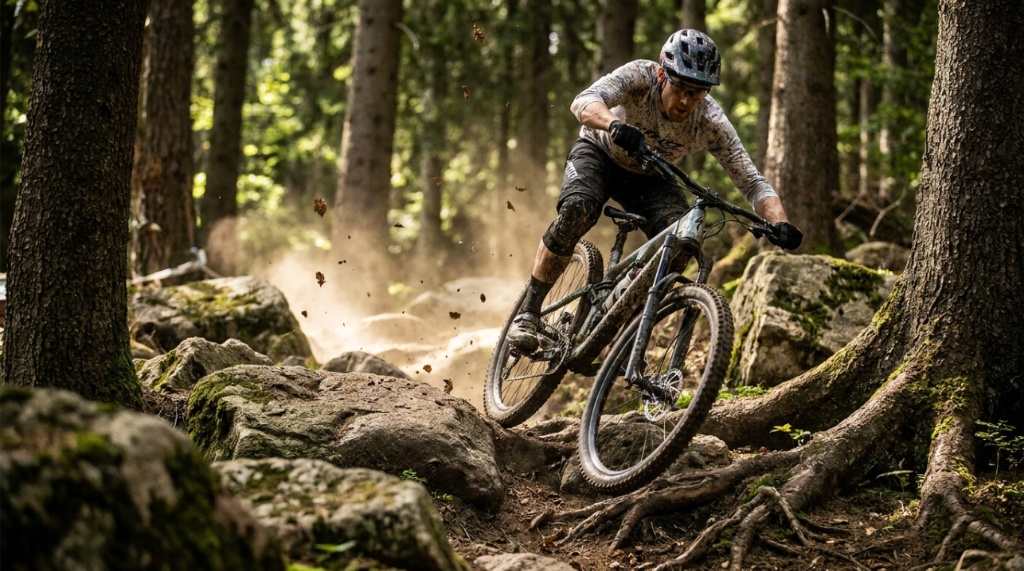
Choose wheel size based on your height, terrain, and handling preference: a 26 inch mountain bike feels nimble and can be great value (especially used), while 27.5 wheel size benefits include better rollover on bumps, more stability, and broader modern tire availability. The “right” size is the one that fits your body and your trails without forcing expensive upgrades.
Wheel size debates can push buyers into overspending or second-guessing a perfectly good bike. That’s the trap: you end up chasing a “best” wheel size instead of buying a bike that fits and rides well. The reality is simpler—wheel size is a tool. It changes how the bike feels on bumps, turns, climbs, and tight trails. This guide answers the common search questions and helps you decide quickly, especially if you’re comparing a 26-inch bike against newer 27.5 options.
What are the main differences between 26 inch and 27.5 mountain bike wheels?
Direct answer: 26-inch wheels are typically more agile and accelerate quickly; 27.5 wheels roll over obstacles more smoothly and feel more stable at speed.
Think of wheel size as a lever that changes trail feel:
- Rollover: Larger wheels reduce the “attack angle” on roots and rocks, so they hang up less.
- Agility: Smaller wheels can feel snappier in tight corners and technical switchbacks.
- Stability: Larger wheels often feel calmer on fast descents and choppy sections.
- Parts availability: Modern standards favor 27.5 and 29, affecting tire and wheel choices.
People also ask: Is a 26 inch mountain bike still good?
Direct answer: Yes—26-inch bikes can be excellent for casual trail riding, learning skills, and budget-focused riders, especially if the bike fits and is in good condition.
The biggest consideration is compatibility and upgrade path. For many riders, a well-maintained 26-inch bike is more fun than a poorly fitting “newer” bike.
Who should choose a 26 inch mountain bike today?
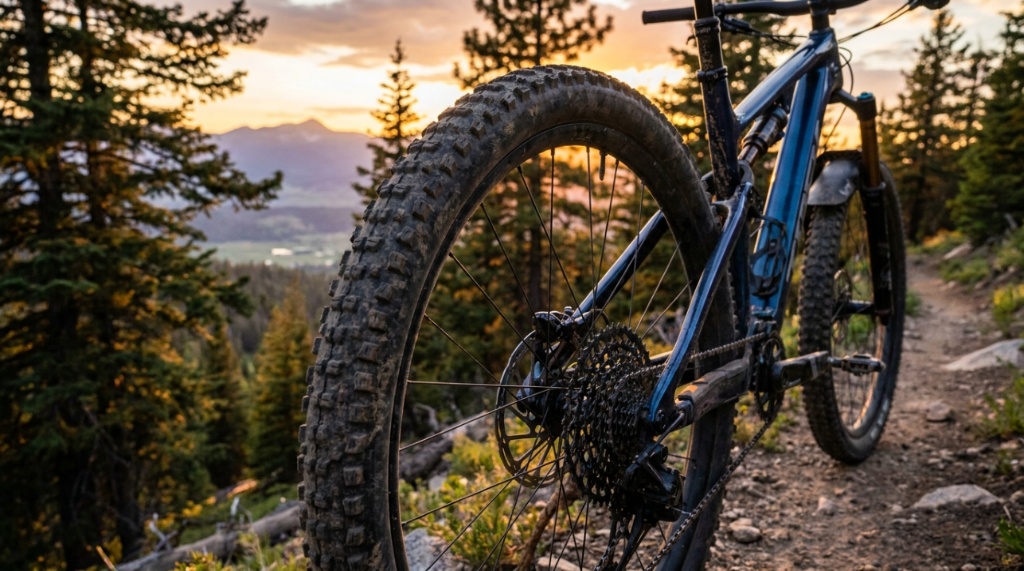
Direct answer: Choose a 26-inch bike if you value nimble handling, ride tighter trails, or you’re buying used and want strong value for money.
26-inch bikes can make sense when:
- You’re buying used and the deal is genuinely strong
- You ride slower, tighter trails and prefer quick steering
- You want a simpler, affordable bike for fitness and fun
People also ask: Are 26-inch bikes better for shorter riders?
Direct answer: They can be—smaller wheels can help keep standover and overall bike proportions manageable for shorter riders, but frame geometry matters more than wheel size alone.
What are the real 27.5 wheel size benefits on trails?
Direct answer: The biggest 27.5 benefits are smoother rollover, improved confidence on moderate roughness, and better access to modern tires and wheelsets.
27.5 (also called 650B) became popular because it balances agility and rollover. Many riders feel it’s a “sweet spot” between 26 and 29.
- Rollover improvement: Noticeable on roots, rocks, and braking bumps.
- Cornering confidence: Often feels stable without being sluggish.
- Modern tire options: More compounds, casings, and tread choices.
People also ask: Is 27.5 better than 26 for trail riding?
Direct answer: For many trail riders, yes—27.5 tends to feel smoother and more stable, and it’s easier to find modern tires and replacement wheels.
How does wheel size affect speed and effort?
Direct answer: Larger wheels often maintain momentum better, while smaller wheels can feel easier to accelerate; tires and pressure can outweigh wheel size for real-world speed.
On paper, bigger wheels can roll more efficiently over roughness. In practice, the tire choice and pressure are huge. A fast-rolling tread at the right pressure can make any wheel size feel “faster” than a slow tire at the wrong pressure.
How do wheel sizes affect handling in corners and technical terrain?
Direct answer: Smaller wheels feel more maneuverable in tight corners; larger wheels feel more stable and forgiving when lines get rough.
If your trails are full of switchbacks, slow technical moves, and tight trees, a smaller wheel can feel easier to place. If your trails are faster with chunk and rough braking bumps, bigger wheels tend to reduce the “hang up” feeling.
What about 29-inch wheels—should you consider them?
Direct answer: Consider 29ers if you want maximum rollover and stability, especially on smoother fast trails; skip them if you prefer a playful, quick-turning feel.
29-inch bikes can feel incredibly stable, but some riders prefer the poppier feel of 27.5. Again, geometry and setup matter as much as wheel diameter.
How do you decide the right wheel size for your height and bike fit?
Direct answer: Choose the wheel size that allows correct frame fit and comfortable standover—fit is more important than wheel size for confidence and control.
Wheel size influences how a frame is packaged. For some shorter riders, certain 29ers can feel tall; for taller riders, 29 can feel proportionally better. But modern frame design has improved fit across sizes for all wheel diameters.
People also ask: If the bike fits, does wheel size matter?
Direct answer: Yes, but less than you think—wheel size changes trail feel, while fit determines comfort, control, and injury risk.
How do tire availability and upgrade options differ by wheel size?
Direct answer: 27.5 and 29 have the best modern tire availability; 26-inch still has options, but choices can be more limited depending on your region and preferred riding style.
For many buyers, the best argument for 27.5 is practical: replacement tires and wheelsets are easier to find in modern compounds and casings. That matters if you want to tune grip and durability over time.
How can you compare wheel sizes quickly before you buy?
Direct answer: Compare agility, rollover, stability, and parts availability—then choose based on the trails you ride most.
| Wheel size | Best for | Tradeoffs |
|---|---|---|
| 26 inch | Tight trails, budget used bikes, nimble feel | More limited modern tire/wheel options |
| 27.5 | Balanced trail riding, versatile handling | Slightly less rollover than 29 |
| 29 inch | Rollover, speed, stability on roughness | Can feel less playful for some riders |
If you’re comparing common wheel sizes in budget bikes and want a concrete example of how 26 and 27.5 show up in real-world specs, this 26 inch mountain bike review can help you understand what to expect from similar setups.
What mistakes do people make when choosing wheel size?
Direct answer: The biggest mistakes are ignoring fit, assuming wheel size alone determines performance, and buying a bike with poor components just to get a “modern” wheel size.
- Buying the wrong frame size because you want a specific wheel diameter
- Ignoring tire pressure and tread, then blaming wheel size for poor grip
- Overpaying for a newer wheel size while accepting weak brakes or unreliable parts
Conclusion: How do you choose the right mountain bike wheel size?
Direct answer: Choose the wheel size that fits your body and matches your trails—then prioritize tires, brakes, and setup for the biggest real-world gains.
A 26-inch bike can still be a great ride and a smart budget choice. 27.5 offers a modern balance of rollover and agility with strong tire availability. If you want, share your height, local trail type, and whether you value agility or stability more, and I’ll recommend the wheel size range that’s most likely to feel right for you.
FAQ
Is 26 inch mountain bike good for trail riding?
Direct answer: Yes—26-inch bikes can ride many trails well, especially smoother or tighter trails, if the bike fits and has good tires and brakes.
What are the benefits of 27.5 wheels?
Direct answer: 27.5 wheels improve rollover and stability while keeping handling agile, and they have strong modern tire availability.
Which wheel size is best for beginners?
Direct answer: The best wheel size for beginners is the one that fits their body and feels stable; 27.5 is a common, versatile choice.
Are 29ers faster than 27.5?
Direct answer: They can be on rough terrain and at speed due to rollover and momentum, but tire choice and fit often matter more.
Can I convert a 26-inch bike to 27.5 wheels?
Direct answer: Sometimes, but clearance and geometry changes can make it unsafe or handle poorly—confirm frame and fork compatibility first.
Does wheel size affect comfort?
Direct answer: Yes—larger wheels can smooth bumps slightly, but tire width and pressure have a bigger comfort impact.
What matters more: wheel size or suspension?
Direct answer: For many riders, tires and suspension setup matter more than wheel size; wheel size is a handling preference and terrain match tool.


