

We often meticulously design our office spaces, agonizing over desk layouts, chair ergonomics, and even the type of plants we incorporate. Yet, one of the most powerful and pervasive elements in our environment often goes unnoticed: lighting temperature. It’s not just about how bright a light is; it’s about the subtle hue, the warmth or coolness, that bathes our surroundings. This seemingly minor detail plays a profound, often subconscious, role in our mood, energy levels, and ultimately, our ability to focus and perform in the workplace.
Understanding lighting temperature, measured in Kelvin (K), is crucial. Imagine the warm, inviting glow of a sunset, contrasting sharply with the crisp, almost clinical light of a bright winter morning. This spectrum of light, from warm yellows and oranges (lower Kelvin values) to cool blues and whites (higher Kelvin values), directly impacts our circadian rhythm, hormone production, and psychological state. Ignoring this powerful influence is akin to leaving a critical tool unused in our quest for a productive and positive work environment.
The Science Behind the Glow: How Light Interacts with Our Biology
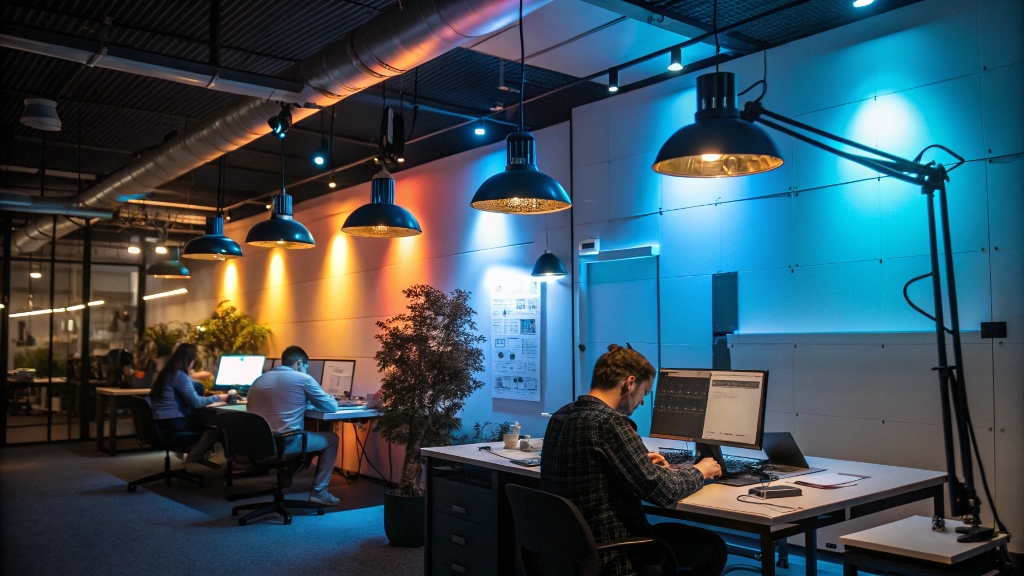
- Warm Light (2700K – 3000K): The Comfort Zone Warm light, often described as soft white or yellowish, mimics the light of a traditional incandescent bulb or the early morning/late evening sun. With Kelvin values typically ranging from 2700K to 3000K, this spectrum of light is known for its calming and relaxing properties.
- Mood: In the workplace, warm light can foster a sense of comfort, coziness, and even intimacy. It can be particularly effective in collaborative spaces where open communication and a relaxed atmosphere are desired. Think of a break room or a lounge area where employees can decompress and connect.
- Focus: While excellent for relaxation, prolonged exposure to warm light might not be ideal for tasks requiring intense focus and alertness. It can signal to the brain that it’s time to wind down, potentially leading to decreased vigilance and a feeling of lethargy for highly demanding cognitive work. However, for creative tasks that benefit from a relaxed, free-flowing mindset, warm light could be beneficial.
- Application: Ideal for brainstorming rooms, break areas, reception areas, and even individual offices where a more relaxed ambiance is preferred, especially later in the day.
Neutral White Light (3500K – 4500K): The Balanced Performer
As we move up the Kelvin scale, we encounter neutral white light, ranging from approximately 3500K to 4500K. This light is a good balance between warm and cool, often resembling natural daylight on a cloudy day.
-
- Mood: Neutral white light tends to be, as its name suggests, more neutral in its emotional impact. It doesn’t evoke strong feelings of relaxation or stimulation but rather provides a clear and unobtrusive illumination. It can promote a sense of professionalism and clarity.
- Focus: This is often considered the sweet spot for general office environments. It provides sufficient brightness and clarity for most tasks without being overly stimulating or fatiguing. It supports sustained focus and reduces eye strain, making it suitable for prolonged work sessions.
- Application: Excellent for open-plan offices, conference rooms, and general task lighting where a balanced and functional illumination is needed.
- Cool White/Daylight (5000K – 6500K+): The Energizer At the higher end of the Kelvin scale, typically from 5000K upwards, we find cool white or “daylight” lighting.
- Mood: Cool light is invigorating and stimulating. It can boost alertness, energy levels, and even improve reaction times. This is due to its suppression of melatonin production, signaling to the brain that it’s daytime and time to be active.
- Focus: Highly effective for tasks requiring precision, attention to detail, and heightened alertness. It can reduce errors and improve cognitive performance, making it ideal for environments where accuracy is paramount. Think of design studios, laboratories, or areas where intense computer work is performed.
- Application: Best suited for areas where high levels of concentration and visual acuity are required, such as drafting rooms, workshops, medical facilities.
The Dynamic Workplace: Tailoring Light for Optimal Performance
The ideal lighting strategy in a modern workplace is rarely a “one size fits all” approach. Instead, it involves understanding the diverse needs of different tasks and individuals, and then strategically implementing various lighting temperatures.
- Task-Specific Lighting:
- For detailed, precision-oriented work (e.g., graphic design, engineering, quality control), consider localized cool white or daylight task lighting.
- For collaborative brainstorming and creative sessions, a mix of neutral and slightly warmer general lighting might foster a more open and less constrained atmosphere.
- For break rooms and informal meeting areas, warm white lighting can create a more relaxed and inviting ambiance, encouraging social interaction and decompression.
- Circadian-Friendly Design (Human-Centric Lighting): The most advanced approach involves “human-centric lighting” systems that mimic natural daylight cycles throughout the day. These systems dynamically adjust the lighting temperature and intensity to align with our natural circadian rhythms:
- Morning: Cooler, brighter light to promote alertness and kickstart the day.
- Mid-day: Neutral white light for sustained focus and productivity.
- Late Afternoon/Evening: Gradually warming and dimming light to signal the body to prepare for rest, minimizing disruption to sleep.
Implementing human-centric lighting, even in a simplified form, can significantly enhance employee well-being, reduce fatigue, and improve overall productivity.
- Individual Control and Personalization: Empowering employees to adjust their personal lighting can dramatically improve satisfaction and performance. Desk lamps with adjustable brightness and color temperature settings allow individuals to tailor their environment to their specific tasks and preferences. This level of control can reduce eye strain, improve comfort, and ultimately boost focus.
Read More Also: All Parts Needed to Build a Gaming PC: A Comprehensive Guide
Beyond the Kelvin: Other Lighting Considerations for a Productive Workplace
While lighting temperature is a critical factor, it’s part of a larger ecosystem of effective workplace lighting.
- Brightness (Lux): Insufficient brightness can lead to eye strain and fatigue, while excessive brightness can cause glare and discomfort. The optimal lux level varies depending on the task.
- Glare Control: Direct or reflected glare can significantly impair vision and cause discomfort. Proper fixture placement, diffusers, and anti-glare screens are essential.
- Uniformity: Consistent illumination across the workspace prevents shadows and areas of excessive brightness, promoting visual comfort.
- Natural Light Integration: Maximizing natural daylight through windows and skylights is paramount. Natural light provides the full spectrum of colors, positively impacts mood, and reinforces our circadian rhythm. Offices designed to prioritize natural light often report higher employee satisfaction and productivity.
- Flicker: Imperceptible flickering in some artificial lights can cause eye strain, headaches, and fatigue. High-quality LED lighting with good drivers can minimize this issue.
Implementing Change: A Practical Guide for the Workplace
For businesses looking to optimize their lighting environment, here’s a practical roadmap:
- Assess Your Current Lighting: Conduct an audit of your existing lighting system. Identify the Kelvin temperatures of your current bulbs and fixtures. Observe how employees respond to the lighting in different areas.
- Define Workplace Zones: Delineate different zones within your office (e.g., individual workstations, collaborative areas, break rooms, conference rooms) and consider the primary activities conducted in each.
- Research and Plan: Explore various lighting solutions, including LED options with adjustable color temperatures. Consider a phased implementation if a complete overhaul isn’t feasible.
- Prioritize Natural Light: Maximizing natural light exposure should be a top priority.
- Seek Expert Advice: Consult with lighting designers or workplace consultants who specialize in human-centric lighting. They can provide tailored recommendations and help with implementation.
- Educate Employees: Inform employees about the benefits of optimal lighting and how they can utilize adjustable lighting features if available.
The Bright Future of Workplace Productivity
The days of generic, one-size-fits-all office lighting are rapidly fading. As our understanding of human biology and psychology deepens, so too does our appreciation for the subtle yet profound impact of our physical environment. By consciously considering and strategically implementing diverse lighting temperatures, businesses can move beyond mere illumination and create spaces that actively nurture employee well-being, enhance focus, and unlock unprecedented levels of productivity. The right light isn’t just about seeing; it’s about feeling, performing, and thriving in the modern workplace.
Discover More: How to Choose Skincare for Hormonal Acne

