

Children’s rooms are more than just spaces for sleeping; they are vibrant hubs for play, learning, and growth. Designing these rooms requires a delicate balance between functionality and aesthetics, especially in today’s increasingly compact living spaces. One crucial element in achieving this balance is the strategic use of space-saving furniture. This article delves into the intricacies of designing functional and stylish kids’ rooms, highlighting the indispensable role of innovative furniture solutions.
Understanding the Multifaceted Needs of a Child’s Room:
A child’s room needs to adapt to a multitude of functions. It’s a playground for imaginative adventures, a study zone for academic pursuits, a cozy retreat for rest, and a storage haven for toys, books, and clothes. Therefore, the design should prioritize flexibility and adaptability. A well-designed room fosters creativity, organization, and a sense of personal space, contributing significantly to a child’s overall well-being.
The Power of Space-Saving Furniture: Optimizing Every Inch:
In smaller homes or apartments, maximizing available space is paramount. Space-saving furniture offers ingenious solutions to tackle this challenge. These pieces are designed to serve multiple purposes, minimizing clutter and creating a more open and organized environment. From loft beds with built-in desks to storage ottomans that double as seating, these innovative designs are transforming how we perceive children’s room layouts.
Loft Beds and Bunk Beds: Elevating Play and Functionality:
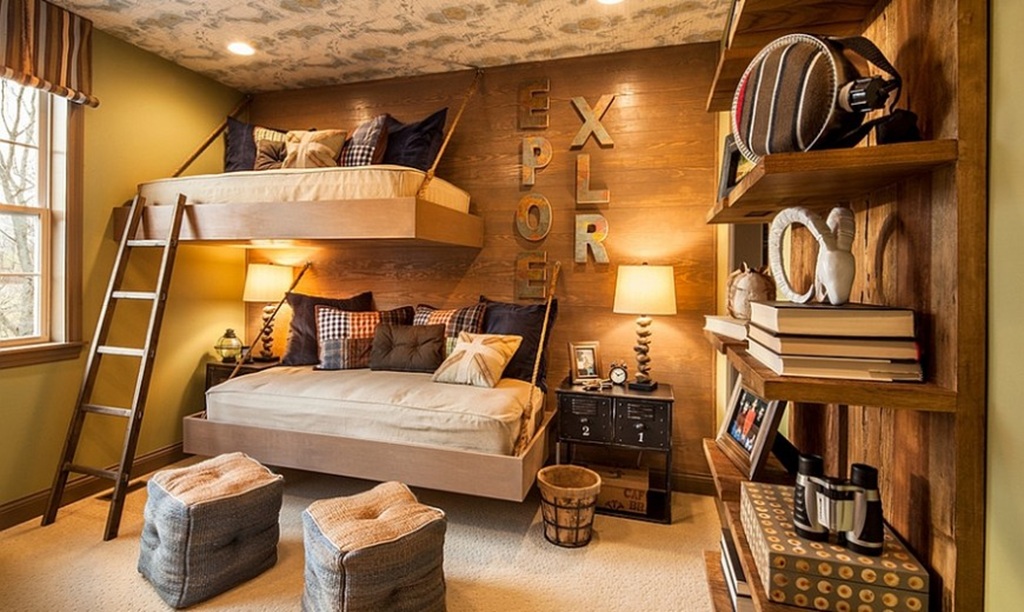
Loft beds, particularly those with integrated desks or play areas underneath, are excellent space-savers. They utilize vertical space, freeing up valuable floor area for other activities. Bunk beds, ideal for shared rooms, offer a similar space-saving advantage. Modern bunk bed designs often incorporate storage drawers, shelves, and even slides, adding an element of fun and practicality. Consider safety features like sturdy ladders and guardrails when choosing these options.
Storage Solutions: Taming the Toy Tornado:
Children accumulate toys, books, and art supplies at an astonishing rate. Effective storage solutions are essential for maintaining an organized and clutter-free environment. Look for furniture with built-in storage, such as beds with drawers underneath, storage benches, and shelving units that can be customized to fit specific needs. Consider using stackable bins, baskets, and wall-mounted shelves to maximize vertical storage.
Multifunctional Furniture: Versatility at its Best:
Multifunctional furniture is the cornerstone of space-saving design. Pieces like convertible sofas that transform into beds or desks with integrated storage compartments offer unparalleled versatility. These items adapt to changing needs, providing flexibility for different activities. For example, a storage ottoman can serve as a toy box, a seating area, and even a makeshift table. When selecting multifunctional furniture, prioritize durability and ease of use.
Creating a Playful and Inspiring Environment:
While functionality is crucial, a child’s room should also be a place of joy and inspiration. Incorporate elements that reflect their personality and interests. Use vibrant colors, playful patterns, and themed decor to create a stimulating and engaging environment. Consider adding a chalkboard wall for creative expression or a reading nook for quiet time.
Safety First: Prioritizing Child-Friendly Design:
Safety is paramount in any children’s room design. Choose furniture made from non-toxic materials and ensure all pieces are sturdy and stable. Avoid sharp edges and corners, and opt for rounded designs whenever possible. Secure furniture to the walls to prevent tipping, especially tall bookcases and dressers. Regularly inspect furniture for any signs of wear and tear, and address any potential hazards promptly.
Color Palette and Lighting: Setting the Mood:
The color palette and lighting play a significant role in creating a welcoming and comfortable atmosphere. Choose colors that promote calmness and creativity. Soft blues, greens, and pastels are often recommended for children’s rooms. Incorporate a mix of ambient, task, and accent lighting to create a well-lit and adaptable space. Dimmer switches allow for adjusting the lighting to suit different activities.
Personalization and Customization: Making it Their Own:
Encourage children to participate in the design process. Allowing them to choose their favorite colors, themes, and decor fosters a sense of ownership and pride in their space. Consider incorporating personalized touches, such as custom artwork, name plaques, or themed bedding. Customizing furniture with paint or decals can also add a unique and personal touch.
The Importance of Organization and Decluttering:
Regular organization and decluttering are essential for maintaining a functional and tidy children’s room. Teach children the importance of putting things away and provide them with easy-to-use storage solutions. Establish a routine for decluttering and encourage them to donate or recycle unwanted items.
Related: 10 Genius Storage Solutions to Maximize Your Small Apartment
Creating Zones for Different Activities:
Dividing the room into distinct zones for sleeping, playing, and studying can enhance functionality and organization. Use rugs, furniture placement, and color variations to define these zones. This approach helps create a sense of structure and purpose within the space.
Sustainable and Eco-Friendly Choices:
Consider choosing furniture made from sustainable materials, such as bamboo or recycled wood. Opt for finishes that are low in VOCs (volatile organic compounds) to minimize indoor air pollution. Look for companies that prioritize eco-friendly manufacturing practices and offer products that are durable and long-lasting.
Adapting to Changing Needs:
Children’s needs and interests evolve as they grow. Choose furniture that can adapt to these changes. For example, a loft bed with a built-in desk can be converted into a hangout area as the child gets older. Modular furniture systems offer flexibility and can be reconfigured to suit different needs.
Related: Fifteen small kitchen decoration ideas
Budget-Friendly Design Tips:
Designing a functional and stylish kids’ room doesn’t have to break the bank. Consider repurposing existing furniture, shopping at thrift stores, or opting for DIY projects. Utilize affordable storage solutions like plastic bins and fabric baskets. Prioritize essential items and gradually add other pieces as needed.
The Long-Term Benefits of a Well-Designed Room:
A well-designed children’s room contributes significantly to their overall development and well-being. It fosters creativity, organization, and a sense of personal space. A functional and inspiring environment can enhance their learning, play, and relaxation experiences. Investing in quality space-saving furniture and thoughtful design is an investment in their future.
Related: 10 Perfect Color Combinations to Enhance Your Decor
People Also Ask (FAQs):
- Q: What are the best space-saving furniture options for a small kids’ room?
- A: Loft beds with built-in desks, bunk beds with storage, multifunctional furniture like convertible sofas, and storage ottomans are excellent choices.
- Q: How can I maximize storage in a child’s room?
- A: Utilize vertical space with wall-mounted shelves, stackable bins, and under-bed storage. Choose furniture with built-in storage, such as beds with drawers and storage benches.
- Q: What safety considerations should I keep in mind when designing a kids’ room?
- A: Choose non-toxic materials, ensure furniture is sturdy and stable, avoid sharp edges, secure furniture to walls, and regularly inspect for wear and tear.
- Q: How can I create a playful and inspiring environment?
- A: Incorporate vibrant colors, playful patterns, themed decor, and personalized touches. Create zones for different activities and include a chalkboard wall or reading nook.
- Q: How can I make a kids’ room adaptable to changing needs?
- A: Choose furniture that can be reconfigured or repurposed, such as modular systems or loft beds with convertible components.
Conclusion:
Designing a functional and stylish kids’ room is a rewarding endeavor that requires careful planning and consideration. Space-saving furniture plays a pivotal role in maximizing available space and creating an organized and adaptable environment. By prioritizing safety, functionality, and aesthetics, you can create a dreamscape that fosters creativity, growth, and joy. Remember to involve your children in the design process, allowing them to personalize their space and make it their own. Ultimately, a well-designed children’s room is an investment in their well-being, providing a foundation for happy and healthy development.

