

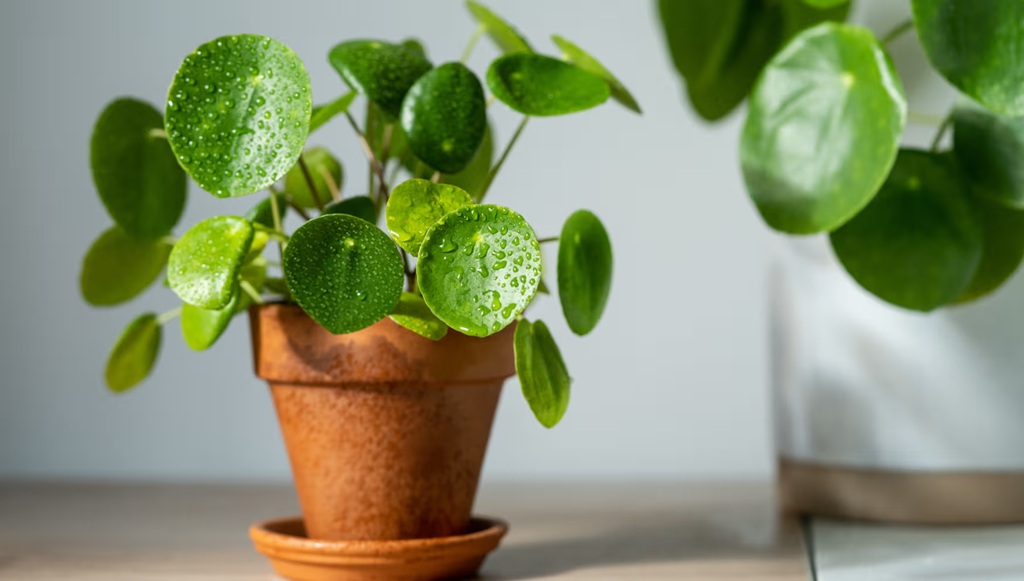
Pilea plants, also known as the “friendship plant,” are adored for their charming pancake-like leaves and ease of care. However, over time, they can become leggy, losing their dense and bushy appearance. If you’re searching for a solution to restore your Pilea’s former glory, air layering may be the game-changing technique you need. This article dives deep into how air layering for rejuvenating leggy Pilea can save your beloved plant. For more insights on Pilea care, explore Worldcitizensunited.
What Is Air Layering?
Air layering is an advanced propagation technique used to encourage root growth on a stem while it remains attached to the parent plant. This method is highly effective for plants like Pilea that tend to grow leggy over time. By allowing roots to form on a specific section of the stem, you can create a healthy, rooted cutting that can be replanted to start a new, bushier plant.
Why Do Pilea Plants Become Leggy?
Leggy Pilea plants are often the result of insufficient light. When a plant stretches toward a light source, it creates elongated, sparse stems with fewer leaves. This can also occur due to aging or improper pruning. Although cutting leggy Pilea stems may seem like a straightforward solution, air layering offers a more sustainable way to rejuvenate your plant without sacrificing healthy growth. For more tips, click on https://www.worldcitizensunited.org/how-do-i-make-my-pilea-bushier/.
How Air Layering Rejuvenates Leggy Pilea
This propagation method not only generates new growth but also revitalizes the parent plant.
Here’s why air layering is ideal:
- Stimulates New Growth: Encourages roots to develop on the stem, allowing you to trim and replant successfully.
- Minimizes Stress: Keeps the stem connected to the plant, reducing shock.
- Prevents Root Rot: Unlike soil propagation, air layering minimizes the risk of rot by controlling moisture levels.
- Encourages Fuller Growth: By removing older, leggy sections, the plant can redirect energy to sprout new leaves.
Step-by-Step Guide to Air Layering for Pilea
Follow these detailed steps to transform your leggy Pilea:
Step 1: Choose the Right Stem
Select a healthy, leggy stem with visible nodes (small bumps where leaves emerge). Avoid stems with discoloration or signs of disease.
Step 2: Prepare the Stem
Using a sterilized knife, gently make an incision halfway around the stem below a node. This will expose the cambium layer, encouraging root growth.
Step 3: Apply Rooting Hormone
(Optional) Dust the exposed area with a rooting hormone to accelerate the process.
Step 4: Wrap with Sphagnum Moss
Soak sphagnum moss in water until it is moist but not dripping. Wrap the moss around the incision and secure it with plastic wrap. Make sure the wrap is snug but allows some air circulation.
Step 5: Monitor Moisture Levels
Check the moss regularly to ensure it remains moist. Roots typically form within 4–6 weeks.
Step 6: Transplant the New Plant
Once roots are well-developed, cut the stem below the rooted section and plant it in fresh soil.
Expert Tips for Best Results
- Lighting: Place the parent plant in bright, indirect light during the process.
- Humidity: Maintain a humid environment to support root development.
- Timing: Air layering is most successful in spring or early summer when the plant is actively growing.
What Sets Air Layering Apart from Traditional Propagation?
Traditional propagation methods, like cutting leggy Pilea stems and rooting them in water can be unpredictable. Air layering offers a controlled environment for root growth, ensuring higher success rates.
Related: What Plants Are Best for Fish Tanks: Top Choices for a Beautiful, Healthy Aquarium
Common Mistakes to Avoid
- Overwatering Moss: Excessive moisture can lead to mold growth and hinder root formation.
- Neglecting Light: Insufficient light during the process can delay root development.
- Skipping Rooting Hormone: While optional, it significantly boosts success rates.
Maintaining a Rejuvenated Pilea
Once your air-layered Pilea has been transplanted, follow these care tips to keep it thriving:
- Prune Regularly: Trim back any new leggy growth to maintain a bushy shape.
- Rotate the Plant: Ensure even light exposure to prevent uneven growth.
- Fertilize Wisely: Use a balanced liquid fertilizer every 4–6 weeks during the growing season.
Related: Which Plants Don’t Like Coffee Grounds?
FAQs
How long does air layering take for Pilea?
Air layering usually takes 4–6 weeks, depending on environmental conditions and the health of the plant.
Can I air-layer multiple stems at once?
Yes, but ensure the plant is healthy and has enough energy to support multiple root formations.
What type of moss works best for air layering?
Sphagnum moss is ideal due to its excellent moisture retention properties.
Do I need special tools for air layering?
No, you only need basic gardening tools like a sharp knife, plastic wrap, and sphagnum moss.
Will air layering harm the parent plant?
Not at all! In fact, the process can stimulate new growth in the parent plant.
Related: Best Practices for Bottom Watering Large Floor Plants on Rugs
What should I do if the moss dries out?
Re-moisten the moss gently with a spray bottle to maintain consistent moisture.
Conclusion
Air layering is a foolproof technique to bring your leggy Pilea back to life. With a little patience and care, you can rejuvenate your plant and even multiply its beauty. So, if your Pilea is looking less than stellar, why not give air layering a try? Not only will you save your plant, but you’ll also enjoy the satisfaction of watching it thrive again.


