

Keeping your dog’s nails healthy and strong is essential for their overall well-being. Chipped or cracked nails can cause discomfort, pain, and even infections if not addressed. If you’re wondering how to stop your dog’s nails from chipping at the quick, you’re not alone. Many pet parents face this issue and need actionable solutions. Whether it’s understanding proper grooming techniques or using the right tools, this guide will give you all the information you need to keep your furry friend’s paws in perfect condition. For a deeper dive into expert grooming tips, explore Dogguides for more invaluable insights.
Understanding the Importance of Healthy Dog Nails
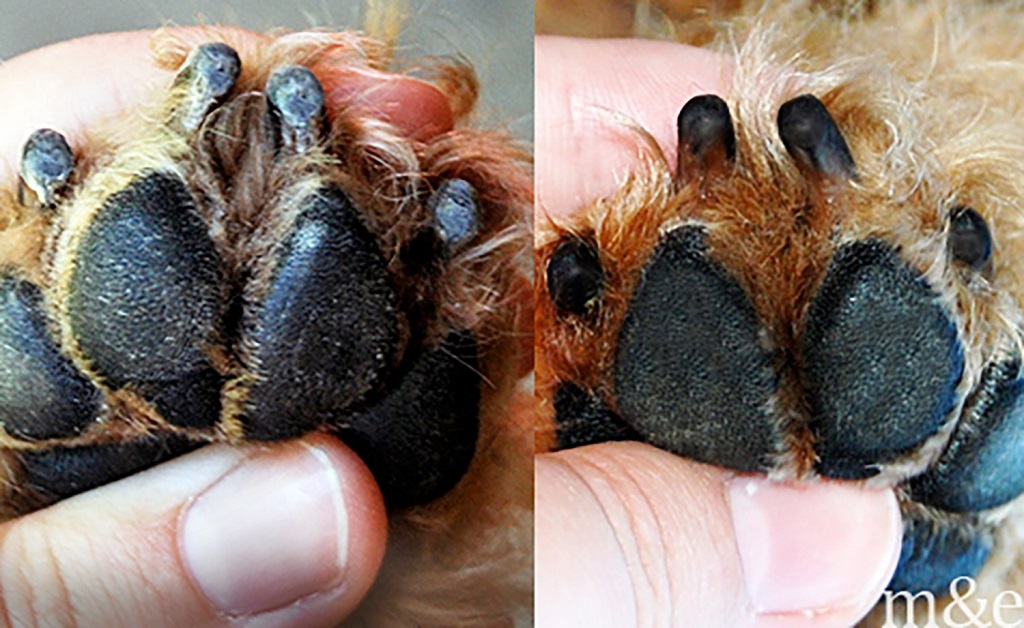
Healthy nails aren’t just about aesthetics; they impact your dog’s mobility and comfort. Long or damaged nails can lead to:
- Painful breaks near the quick.
- Changes in walking posture, causing joint strain.
- Increased risk of infections.
By addressing nail health proactively, you’ll save your dog from unnecessary discomfort and potential veterinary visits.
Why Do Dog Nails Chip at the Quick?
Chipping often occurs due to:
- Overgrown nails: Longer nails are more likely to catch on surfaces and split.
- Dry or brittle nails: Poor nutrition or lack of moisture can weaken nails.
- Incorrect trimming techniques: Cutting too close to the quick can leave nails prone to chipping.
- High activity levels: Dogs running on hard or rough surfaces may experience more wear and tear.
Understanding these causes helps tailor your approach to prevention and care.
Trimming Techniques to Prevent Chipping
Trimming is essential to keep your dog’s nails in top condition. Follow these steps for safe and effective grooming:
- Use the Right Tools
Opt for high-quality dog nail clippers or a grinder to ensure clean cuts. For a smoother finish and added control, consider grinding dog nails with a Dremel tool. It minimizes pressure on the nail and reduces the risk of chipping. - Trim Gradually
Remove small sections at a time instead of cutting large portions. This approach prevents accidental cuts into the quick and minimizes stress for your dog. - Check the Nail’s Shape
Keep nails slightly rounded at the edges, as flat or sharp tips are more prone to splitting. - Inspect the Quick
Familiarize yourself with the quick’s location to avoid cutting too close. Use a flashlight to spot the quick in lighter nails or trim conservatively for darker nails.
Read More Also: Leaf Rakes vs. Bow Rakes: Which One Do You Really Need?
Boosting Nail Health Through Nutrition
Diet plays a crucial role in nail strength and durability. Feed your dog a balanced diet rich in:
- Biotin: Found in eggs and liver, biotin promotes keratin production for healthier nails.
- Omega-3 fatty acids: Present in fish oils, these nutrients hydrate and strengthen nails.
- Collagen: Supports connective tissue and nail growth.
Ensure your dog has access to fresh water at all times, as dehydration can make nails brittle.
Daily Care Tips for Preventing Nail Damage
- Regular Inspections
Check your dog’s nails weekly for signs of cracking or chipping. Address small issues promptly to prevent larger problems. - Moisturize the Nails
Apply pet-safe balms or oils to prevent dryness and add flexibility to the nails. - Protective Pawwear
Use dog booties during outdoor activities to minimize nail damage on rough surfaces.
What to Do If a Nail Chips
Accidents happen, and chipped nails aren’t uncommon. Here’s how to handle it:
- Clean the Area
Use a gentle antiseptic to prevent infection. - Trim Uneven Edges
Smooth out sharp or jagged portions to avoid further splitting. - Monitor for Signs of Infection
Look for redness, swelling, or discharge around the nail. Consult a vet if these symptoms persist.
Using Grinding Tools Safely
Grinding dog nails can be a safer alternative to clipping, as it offers more control and reduces the risk of splintering. Here’s how to do it right:
- Introduce the grinder gradually to your dog to prevent fear or anxiety.
- Always start with low-speed settings and use short sessions.
- Keep the grinder moving to avoid overheating the nail.
FAQs
How often should I trim my dog’s nails?
Trimming every 3-4 weeks is generally ideal, but active dogs may need less frequent trims due to natural wear.
What signs indicate my dog’s nails are too long?
Clicking sounds on hard floors or visibly curved nails are indicators that it’s time for a trim.
Can I use human nail clippers for my dog?
No, human clippers aren’t designed for the thickness of dog nails and may cause splits or fractures.
Is it painful if the quick is exposed?
Yes, the quick contains blood vessels and nerves. Exposure can be painful and may require veterinary attention.
Do certain breeds have weaker nails?
Yes, some breeds like Greyhounds or Whippets may have thinner nails, making them more prone to damage.
Can trimming help with posture issues?
Yes, maintaining proper nail length prevents posture changes that can lead to joint strain.
Conclusion
Stopping your dog’s nails from chipping at the quick is achievable with consistent care, proper tools, and a proactive approach. From adopting safe trimming techniques to ensuring a nutritious diet, small steps can make a significant difference in your dog’s nail health.

