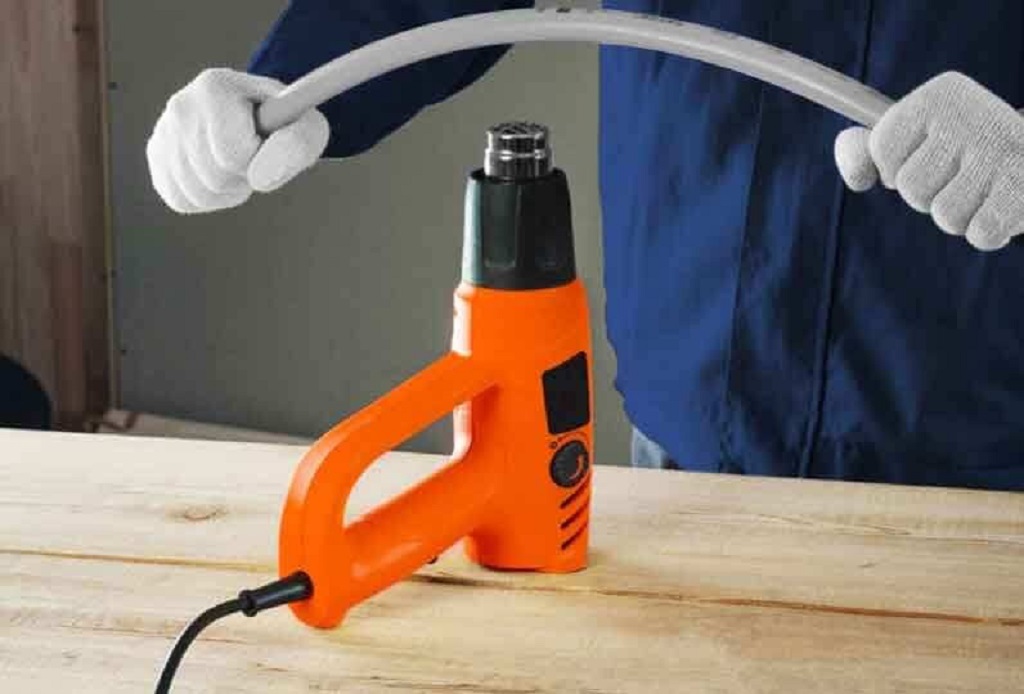
Are you struggling to shape PVC pipes for your DIY project but lack specialized heating tools? Worry no more! This guide provides practical, safe, and efficient methods to bend PVC pipes without relying on expensive equipment. Whether you’re crafting unique designs or tackling home plumbing, these techniques will save you time, money, and hassle. Let’s dive into the details of this fascinating topic while exploring a few related tools, such as the Bestusatools guide.
Understanding PVC and Its Flexibility
PVC (Polyvinyl Chloride) is a highly versatile material known for its durability, lightweight properties, and cost-effectiveness. Widely used in construction, plumbing, and crafting, PVC pipes are rigid but can be manipulated with certain techniques.
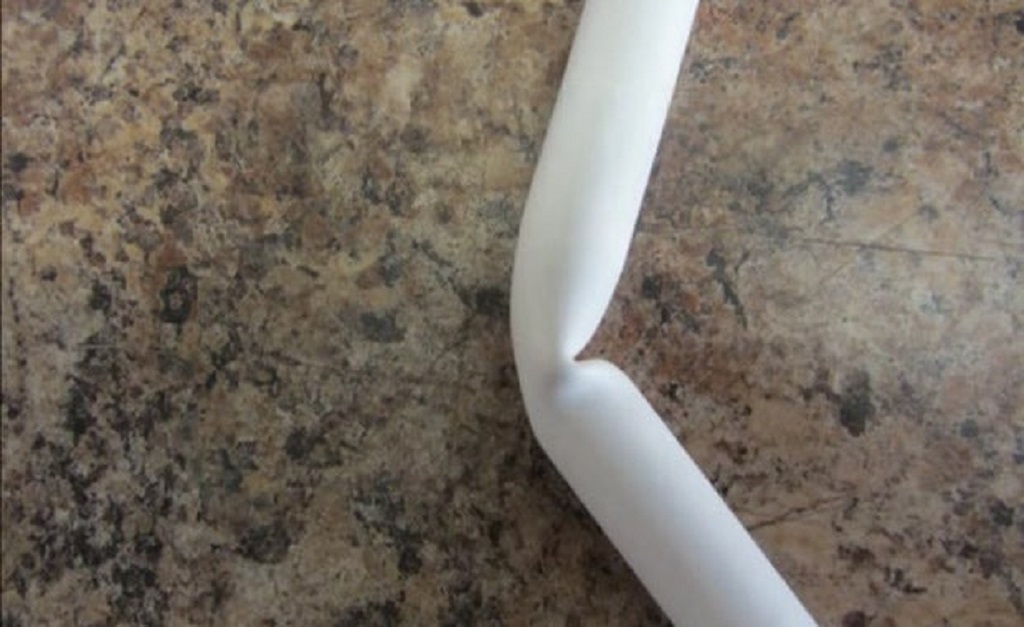
The challenge lies in bending PVC without causing cracks or warping. Typically, this process requires heating tools, but alternative methods can achieve similar results. Let’s explore how these approaches work effectively.
Preparing Your PVC Pipe for Bending
Preparation is crucial for a successful bend. Start by selecting a quality PVC pipe that suits your project. Measure and mark the bending points using a pencil or marker. Ensure the surface is clean and free of debris.
While heating is a common method, alternatives such as using sand, a spring, or external support can achieve impressive results. These techniques are detailed further below.
Bending PVC Pipes Using Compressed Sand
One popular method involves filling the PVC pipe with tightly packed sand. This technique prevents the pipe from kinking or collapsing during bending. Here’s how to do it:
- Seal One End: Use duct tape or a solid cap to seal one end of the pipe securely.
- Fill with Sand: Pour dry sand into the pipe until it’s completely full. Use a stick to compact the sand and eliminate any air gaps.
- Seal the Other End: Close the second end of the pipe to keep the sand in place.
- Bend the Pipe: Carefully apply pressure along the bending point, using your hands or a stable surface for support.
This method provides excellent control over the curve and maintains the pipe’s structural integrity.
Using a Spring for Manual Bending
Springs are another effective tool for bending PVC pipes without heating. A bending spring fits snugly inside the pipe and prevents it from collapsing.
- Insert the Spring: Choose a spring slightly smaller than the pipe’s internal diameter and slide it into the pipe.
- Bend Gently: Use steady, even pressure to bend the pipe around a curved surface, such as a bucket or a rounded object.
- Remove the Spring: After achieving the desired curve, pull the spring out carefully.
This method is particularly useful for thinner PVC pipes used in smaller projects.
Read More Also: Leaf Rakes vs. Bow Rakes: Which One Do You Really Need?
Leveraging External Supports for Complex Bends
External supports like jigs or molds allow you to shape PVC pipes into intricate designs without heat. Here’s how:
- Create a Mold: Build a sturdy mold using wood, metal, or any rigid material.
- Secure the Pipe: Fasten the PVC pipe to the mold using clamps or zip ties.
- Apply Pressure: Gradually bend the pipe along the mold’s contours, securing it at intervals.
External supports are ideal for crafting repeatable shapes in bulk projects.
Utilizing Tools Like a Compressed Air Nail Gun
When working on construction projects involving PVC pipes, tools like a compressed air nail gun come in handy. Although unrelated to bending, these tools are excellent for securing pipe installations. Their precision and speed complement DIY efforts perfectly.
Creative Uses of Non-Heating PVC Bending
- DIY Furniture: PVC pipes bent into curves form the backbone of lightweight chairs, tables, and shelves.
- Gardening Frames: Use curved PVC to create trellises, greenhouses, or irrigation supports.
- Home Décor: Bent PVC can be transformed into unique wall art, lampstands, or storage racks.
Safety Tips When Bending PVC Pipes
Safety is paramount, even without heat:
- Wear gloves to protect your hands from sharp edges or high pressure.
- Avoid over-bending, which could crack the pipe.
- Work in a spacious area free of obstructions.
FAQs
How does sand help in bending PVC pipes?
Sand fills the pipe’s interior, preventing collapse and ensuring an even curve during bending.
What’s the best method for bending thick PVC pipes?
Using sand or external supports like molds is recommended for thicker pipes due to their rigidity.
Can PVC pipes be bent without professional tools?
Yes, techniques like using sand, springs, or molds effectively bend PVC pipes without professional tools.
Are there any risks of bending PVC manually?
Yes, improper handling can cause cracks or weaken the pipe, affecting its durability.
How long does it take to bend PVC without heat?
The time varies based on the method and pipe thickness but typically ranges from 10–20 minutes.
What are common applications for bent PVC pipes?
Applications include plumbing systems, furniture making, gardening structures, and home décor.
Conclusion
Bending PVC pipes without special heating equipment is entirely achievable with the right techniques and tools. Methods like using sand, springs, or external supports offer practical alternatives to traditional heating methods, making them perfect for DIY enthusiasts and professionals alike. Always prioritize safety and follow the steps carefully to achieve the best results.