

In the digital age, social media has evolved from a tool for personal communication to a multifaceted platform with diverse applications, including law enforcement. Agencies across the globe are leveraging social media to enhance public safety, engage communities, and streamline investigations. Platforms like Facebook, Twitter, and Instagram have transformed policing by providing real-time information, fostering transparency, and enabling public collaboration. In this article, we will delve into how law enforcement uses social media, its challenges, and its implications for society.
Before exploring this dynamic topic, it’s essential to acknowledge the broader context of digital inclusion and accessibility. Initiatives like Welcoming Congregations emphasize the importance of building digital communities where everyone feels represented, underscoring the role of social media as a connector for diverse groups.
Social Media as a Crime-Fighting Tool
Monitoring and Surveillance
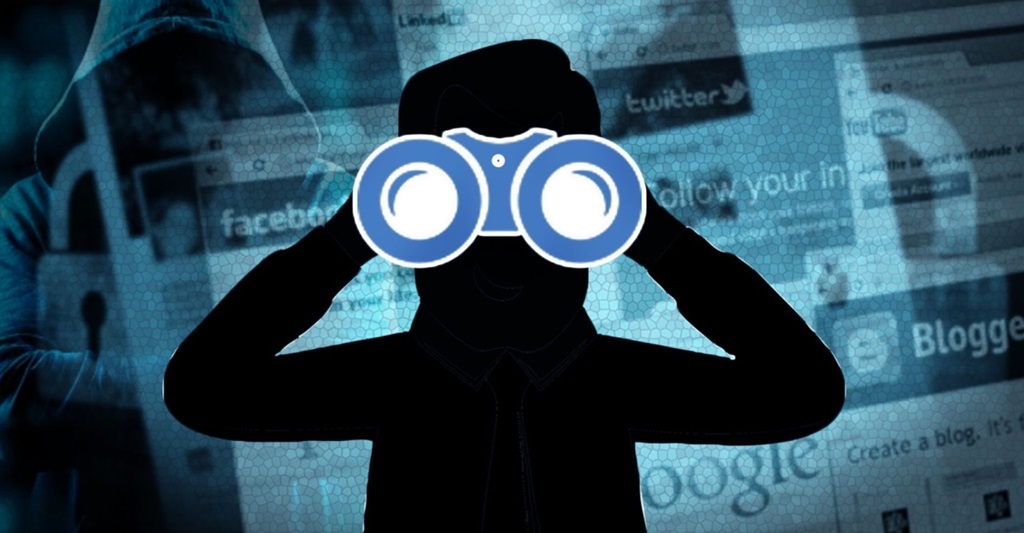
One of the most critical ways law enforcement uses social media is for monitoring and surveillance. By analyzing posts, comments, and multimedia, officers can detect potential threats, track criminal activity, and gather evidence.
- Statistics Supporting Surveillance Efforts:
- A study by the International Association of Chiefs of Police (IACP) revealed that 86% of law enforcement agencies use social media for criminal investigations.
- Social media evidence has been instrumental in solving over 75% of cases involving gang activity and cybercrimes.
Logic Behind Surveillance
Social media platforms serve as digital fingerprints, offering real-time data trails. Criminals often inadvertently reveal incriminating information through posts, location tags, or videos. For instance, during the January 6th Capitol riots, investigators identified suspects through social media footage posted by the participants themselves.
Ethical and Legal Concerns
Despite its benefits, social media surveillance raises questions about privacy and ethical boundaries. Critics argue that constant monitoring risks infringing on civil liberties. However, proponents emphasize that public content on social media is fair game, provided law enforcement adheres to established legal standards.
Community Engagement and Public Safety
Building Trust Through Transparency
Social media enables law enforcement to humanize their image and build trust with communities. By sharing updates, crime alerts, and success stories, agencies create a sense of transparency.
- Examples of Effective Community Engagement:
- Police departments like the NYPD use Twitter to provide live updates during emergencies, such as natural disasters or public safety threats.
- Facebook groups have become hubs for local law enforcement to interact directly with residents, fostering dialogue and cooperation.
Canceling the Negative Narrative
In recent years, public skepticism toward law enforcement has increased due to incidents of misconduct. By actively engaging on social media, agencies can counter misinformation and demonstrate accountability. For those seeking advice on handling disputes with services, learning how to cancel Lexington Law provides an example of advocating for consumer rights—similarly, social media empowers citizens to demand transparency from authorities.
Social Media for Investigative Intelligence
Evidence Gathering
Social media posts, photos, and videos often serve as crucial evidence in criminal cases. For instance, digital trails have been instrumental in solving homicides, locating missing persons, and uncovering fraud schemes.
- Case Study:
- In 2021, law enforcement in Los Angeles solved a high-profile burglary case using Instagram posts where suspects flaunted stolen goods.
Predictive Policing
By analyzing social media trends, agencies can predict and prevent crimes. This approach uses algorithms to assess risk factors based on user activity, enabling preemptive measures.
- Controversy Surrounding Predictive Policing:
- While this method offers efficiency, critics warn of potential biases in algorithmic decision-making. Efforts are underway to address these concerns by improving transparency in predictive models.
Crisis Management and Emergency Response
Real-Time Communication
During emergencies, social media acts as a lifeline between law enforcement and the public. Platforms provide real-time updates about natural disasters, terrorist attacks, or mass shootings.
- Impactful Examples:
- During Hurricane Harvey in 2017, the Houston Police Department used Twitter to coordinate rescue efforts, saving countless lives.
- Similarly, law enforcement leveraged social media to manage crowd control during large-scale protests, ensuring safety for all involved.
Mobilizing Resources
Social media platforms are instrumental in mobilizing volunteers and resources during crises. Crowdsourcing information accelerates the identification of individuals needing immediate assistance.
Related: How Much Do Big Law Partners Make?
Challenges of Using Social Media in Policing
Misuse and Misinformation
While social media offers significant advantages, it also presents challenges, including the spread of misinformation. False news can lead to public panic, complicating law enforcement efforts.
- Combatting Fake News:
- Agencies are employing fact-checking tools and partnerships with tech companies to curb misinformation. For instance, collaborations with Facebook have enabled quicker flagging of fake news.
Ethical Implications
The use of undercover accounts to infiltrate online communities raises ethical questions. Striking a balance between effective policing and respecting individual rights remains a complex issue.
Resource Constraints
Not all law enforcement agencies have the resources to maintain active social media accounts or hire dedicated digital teams. Smaller departments often struggle to compete with the digital prowess of larger agencies.
Future Trends in Social Media Policing
AI and Machine Learning Integration
The integration of AI and machine learning in social media analytics is set to revolutionize policing. These technologies can identify patterns and predict criminal behavior with unprecedented accuracy.
- Potential Applications:
- Facial recognition systems can match suspects’ faces from live footage with online profiles.
- Sentiment analysis tools can detect signs of radicalization or distress among users, enabling timely interventions.
Enhancing Community Collaboration
Future strategies will likely emphasize collaborative policing through social media. Enhanced two-way communication between citizens and officers can lead to more proactive problem-solving.
Broader Accessibility
As accessibility becomes a priority, law enforcement agencies may adopt platforms and tools that cater to underserved communities. Partnerships with organizations can ensure inclusive digital engagement strategies.
Conclusion
Social media has become an indispensable tool for law enforcement, bridging the gap between traditional policing and modern technology. From solving crimes to fostering community trust, its applications are vast and transformative. However, ethical concerns and resource limitations underscore the need for thoughtful implementation. As technology evolves, so too will the ways law enforcement leverages social media to ensure public safety and maintain justice.


