

If your storm door is more of a “slam” door or scrapes the threshold with every frustrated open and close, it’s likely suffering from a common ailment: sagging. But don’t despair – or reach for your phone to call a repairman. With a few simple tools and a bit of elbow grease, you can have your storm door swinging smoothly again.
Why Do Storm Doors Sag?
Before we dive into the fixes, let’s understand the culprits behind a sagging storm door:
- Loose Screws: The most frequent cause, especially in older doors. Over time, screws in the hinges or door frame can loosen due to use and weather exposure.
- Worn Hinges: Hinges can wear out, especially if they’re made of lower-quality materials or haven’t been properly maintained.
- Misaligned Door Frame: Changes in temperature or humidity can cause the house to shift slightly, affecting the door frame alignment.
- Weight of the Door: Heavy storm doors can put extra strain on the hinges, leading to sagging.
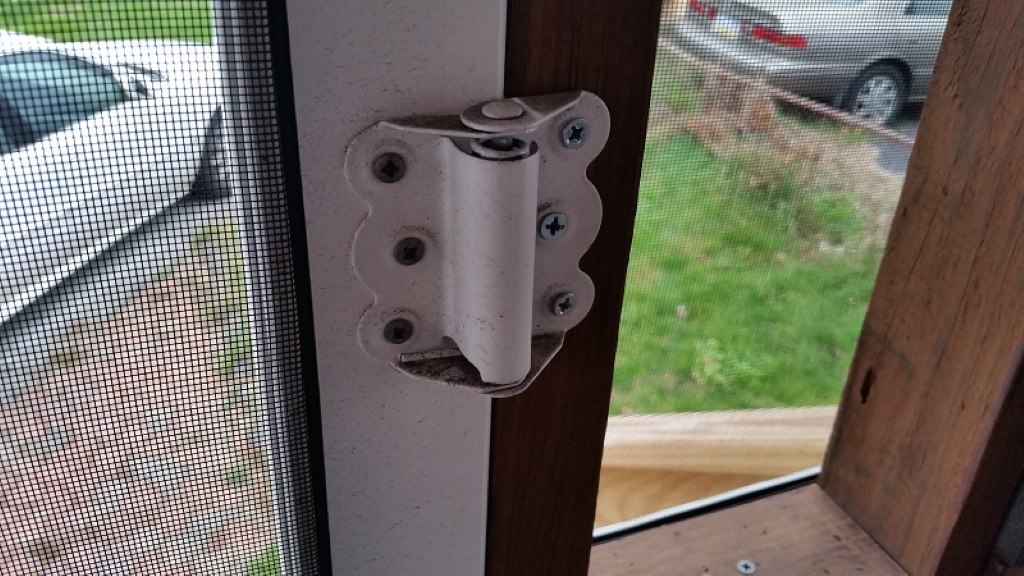
Simple DIY Solutions
- The Tighten-and-Test Method: This should always be your first step. Grab your screwdriver and systematically tighten all the screws in the door hinges and the frame. Open and close the door to test if it’s made a difference. This method is often an effective way to fix a sagging storm door, as loose screws are a common culprit.
- Shimmy It Up: If tightening doesn’t solve the problem, shims might be the answer. A shim is a thin wedge of wood or plastic that you can insert behind the hinges to adjust the door’s position.
- How to: Remove the hinge screws, insert the shim (experiment with different thicknesses), and re-attach the hinge. Test the door and add or remove shims as needed until it swings freely.
- The Weatherstripping Trick: If the door is sagging slightly at the bottom, new weatherstripping around the door frame might be enough to lift it and create a better seal.
- Replace Worn Hinges: If your hinges are visibly damaged or you suspect they’re worn out, replacing them is a relatively easy fix. Make sure to choose hinges that are rated for the weight of your door.
Advanced Fixes (For the Braver DIY-er)
- Adjusting the Expander: Many storm doors have a metal expander across the top that can be adjusted to change the door’s fit. Consult your door’s manual for specific instructions.
- The Turnbuckle Trick: If your door is severely sagging, a turnbuckle can be a lifesaver. This adjustable metal brace is installed diagonally on the inside of the door to lift and support it. You’ll need some basic carpentry skills and tools for this one.
When to Call a Professional
While most sagging storm doors can be fixed with DIY methods, there are a few situations where calling a professional is the best course of action:
- The door is severely warped or damaged: In this case, repairs might not be enough, and replacing the door may be necessary.
- The door frame is misaligned: This can be a complex issue that requires expertise to fix properly.
- You’re not comfortable with DIY repairs: If you’re unsure about any of the steps or feel uneasy working with tools, it’s always better to err on the side of caution and call a pro.
Prevention is Key
To keep your storm door in tip-top shape, regular maintenance is key:
- Tighten screws: Check and tighten all screws in the door and frame every few months.
- Lubricate hinges: Use a silicone-based lubricant to keep the hinges moving smoothly.
- Check for wear and tear: Inspect the door, frame, and hinges regularly for any signs of damage.
With a little bit of care and attention, your storm door can continue to protect your home and add curb appeal for years to come.


