

Fresh rice noodles are a culinary delight, offering a unique texture and flavor that complements a variety of dishes. Whether you’re a seasoned home cook or a noodle novice, this guide will walk you through the nuances of selecting, preparing, and cooking fresh rice noodles to perfection.
Understanding Fresh Rice Noodles
Fresh rice noodles, also known as ho fun or shahe fen, are made from rice flour and water, resulting in a soft, slightly chewy texture. They are a staple in many Asian cuisines, notably Chinese, Thai, and Vietnamese. You’ll find them in different widths, from thin, vermicelli-like strands to wide, ribbon-shaped sheets.
- Key benefits: Fresh rice noodles are naturally gluten-free and offer a subtle, neutral flavor that pairs well with various sauces and ingredients.
- Where to find them: Look for fresh rice noodles in the refrigerated section of Asian grocery stores or well-stocked supermarkets.
Selecting and Storing Fresh Rice Noodles
- Choosing the right noodles: Opt for noodles that are pliable, smooth, and not overly sticky. Avoid any that appear dry, cracked, or discolored.
- Storage: Keep fresh rice noodles refrigerated in their original packaging or an airtight container. They typically stay fresh for 3-5 days.
Preparing Fresh Rice Noodles for Cooking
- Separating the noodles: If the noodles are clumped together, gently separate them with your fingers under cold running water.
- Soaking (optional): For very wide noodles, a quick 5-minute soak in cold water can make them more pliable and easier to handle.
Related: Is Pizza Better Than Rice?
Cooking Methods for Fresh Rice Noodles
- Blanching: This is the most common method for soups and stir-fries.
- Bring a large pot of water to a rolling boil.
- Add the noodles and cook for 1-3 minutes, or until just tender. Cooking time varies depending on the width of the noodles.
- Drain and rinse under cold water to stop the cooking process and prevent them from sticking.
- Steaming: This method is ideal for wider noodles and delicate dishes.
- Lightly oil a steamer basket and arrange the noodles in a single layer.
- Steam for 2-5 minutes, or until cooked through.
- Stir-frying: This technique adds a slight char and smoky flavor to the noodles.
- Heat a wok or large skillet over high heat with a small amount of oil.
- Add the noodles and stir-fry for 1-2 minutes until heated through. Be careful not to overcook, as the noodles can become mushy.
Serving Suggestions
Fresh rice noodles are incredibly versatile and can be used in various dishes:
- Soups: Add cooked noodles to your favorite broths or soups like Pho or Laksa.
- Stir-fries: Combine noodles with stir-fried vegetables, meat, or tofu and your favorite sauce.
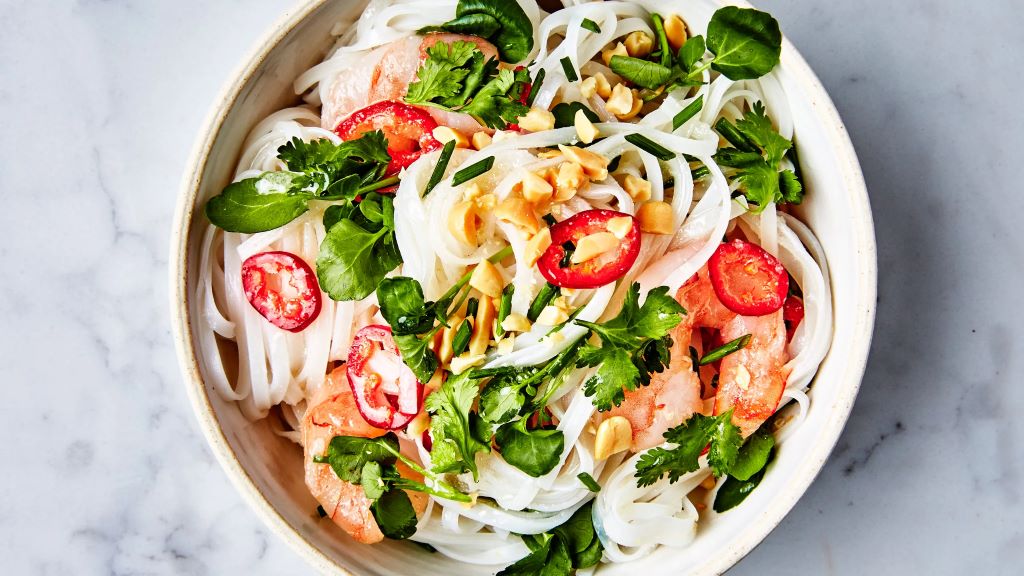
- Salads: Use cooled noodles as a base for refreshing summer salads with herbs, vegetables, and a tangy dressing.
- Cold noodle dishes: Toss noodles with sesame oil, soy sauce, and other seasonings for a simple, flavorful dish.
Tips and Troubleshooting
- Don’t overcook: Fresh rice noodles cook quickly. Test them frequently to avoid overcooking and mushy noodles.
- Use enough water: Ensure you have enough water to allow the noodles to move freely while cooking.
- Don’t rinse after stir-frying: If you plan to stir-fry the noodles, skip the cold water rinse after blanching.
- Experiment with flavors: Fresh rice noodles are a blank canvas for flavors. Feel free to explore different sauces, seasonings, and ingredients to find your perfect combination.
With this guide, you’re well-equipped to elevate your culinary skills and enjoy the deliciousness of fresh rice noodles. Whether you’re stir-frying them with vibrant veggies or crafting a comforting noodle soup, the versatility of rice noodles knows no bounds. However, it’s essential to store them properly to maintain their quality and freshness. One key tip is to keep them in an airtight container in the fridge, which helps prevent them from drying out or absorbing unwanted odors. Plus, it’s always a good idea to consume them within a few days for optimal taste and texture. And if you’re curious about how long rice lasts in the fridge, a recent TapaSociety review delved into this, shedding light on the topic for those seeking to maximize their culinary adventures.


