

Driveways bear the brunt of harsh weather conditions, with freeze-thaw cycles being one of the leading culprits of cracks and damage. These cycles occur when moisture infiltrates your driveway’s surface, freezes, and then expands, breaking apart the concrete or asphalt over time. If left untreated, these cracks can widen, leading to costly repairs.
In this comprehensive guide, we’ll walk you through how to repair a cracked driveway from freeze-thaw cycles using proven methods and materials that work. Whether you’re dealing with minor surface cracks or significant structural damage, the right techniques can save your driveway and your wallet. Before we dive in, explore ShahraraDecor for more home improvement insights that can help elevate your space.
Understanding Freeze-Thaw Damage on Driveways
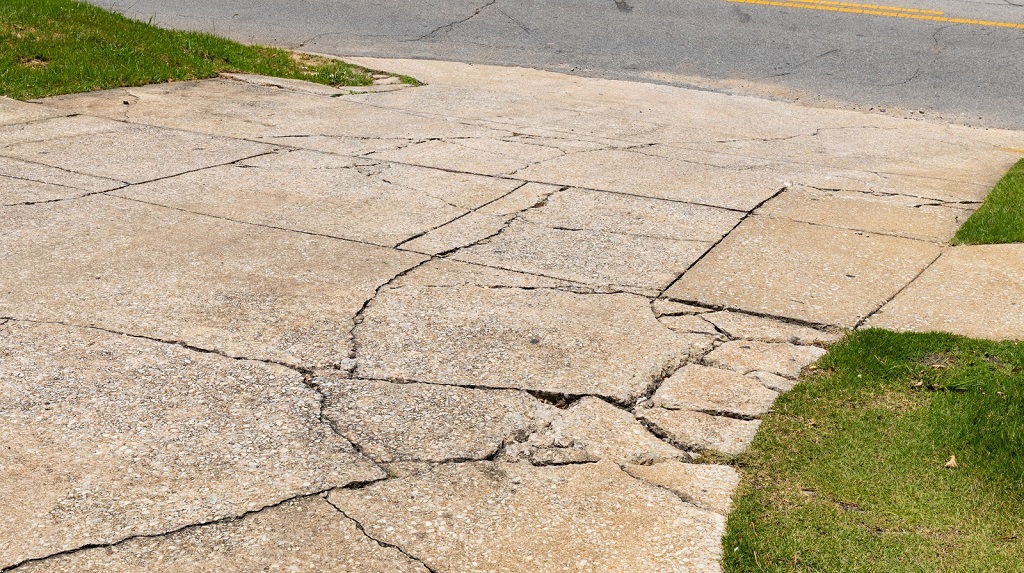
Freeze-thaw cycles exploit the porous nature of driveway materials, especially concrete. When water seeps into tiny crevices and freezes, it expands by nearly 9%, according to studies by the Portland Cement Association. Over time, this expansion and contraction lead to visible cracks, pitting, and spalling. Asphalt driveways, though more flexible, aren’t immune either—they suffer from surface buckling and alligator cracking.
To combat this, homeowners must adopt preventive measures like sealing and timely repairs. It’s also crucial to act promptly when you notice signs of damage.
The Importance of Acting Quickly
Small driveway cracks may seem harmless, but they can worsen with repeated freeze-thaw cycles. According to the American Concrete Institute, cracks wider than 1/8 inch are vulnerable to water infiltration and further deterioration. Waiting too long can result in structural instability, necessitating complete driveway replacement. Addressing cracks early can save you up to 70% in repair costs compared to full reconstruction.
Materials Needed to Repair a Cracked Driveway
Before starting, gather these essential materials for effective repairs:
- Crack Filler: Choose a high-quality polyurethane or epoxy filler for long-lasting results.
- Concrete Patch Mix: Ideal for repairing larger cracks and pits.
- Sealant: Look for weather-resistant sealants to prevent future water infiltration.
- Wire Brush and Chisel: To clean and prepare the cracked area.
- Pressure Washer: For removing debris and dirt.
If moisture issues extend beyond your driveway and into your home, it’s essential to address them promptly. Learn how to get mold out of shower curtains by clicking on https://shahraradecor.com/cleaning/remove-mold-from-shower-curtains/ for step-by-step instructions.
Step-by-Step Guide: How to Repair Cracks in a Driveway
Step 1: Inspect and Assess the Damage
Examine your driveway to determine the severity of the cracks. Hairline cracks can be filled with a basic sealant, while deeper ones may require patching.
Step 2: Clean the Area Thoroughly
Remove dirt, debris, and loose materials using a wire brush and pressure washer. A clean surface ensures better adhesion for fillers and sealants.
Step 3: Prepare the Crack
For deep cracks, widen the gap slightly with a chisel to create a uniform surface for the filler. This step enhances the longevity of the repair.
Step 4: Apply the Crack Filler or Patch Mix
Fill minor cracks with a polyurethane filler, while larger ones should be repaired using a concrete patch mix. Follow the manufacturer’s instructions for application.
Step 5: Smooth and Level the Surface
Use a trowel to smooth the patch and ensure it’s level with the rest of the driveway. Allow it to dry for the recommended time.
Step 6: Seal the Driveway
Once repairs are complete, apply a driveway sealant to protect against future freeze-thaw damage. Sealing can extend the lifespan of your driveway by up to five years.
Tips for Long-Term Driveway Maintenance
- Regular Sealing: Seal your driveway every 2–3 years to prevent water infiltration.
- Proper Drainage: Ensure rainwater flows away from your driveway. Poor drainage accelerates freeze-thaw damage.
- Routine Cleaning: Keep your driveway free of debris and weeds to prevent cracks from widening.
- Seasonal Repairs: Inspect and repair minor cracks before winter sets in.
Exploring Alternative Solutions
For those seeking innovative repair options, consider professional-grade solutions like infrared asphalt repair or polymer-modified concrete. These techniques deliver durable results and are ideal for severely damaged driveways.
Read More Also: How to Diagnose and Repair a Faulty Mass Airflow (MAF) Sensor in a Diesel Truck
How to Prevent Freeze-Thaw Damage
Prevention is always better than cure. To avoid recurring damage:
- Install proper drainage systems around your driveway.
- Use deicing products sparingly, as some can worsen cracks.
- Apply a hydrophobic sealant to repel moisture effectively.
When to Call a Professional
Some driveway repairs, such as significant structural issues, require professional expertise. Contractors use advanced tools like crack injectors and diamond grinders to ensure a seamless finish. Expect to pay between $300 and $1,500 for professional repairs, depending on the extent of the damage.
FAQs
What causes freeze-thaw damage to driveways?
Freeze-thaw damage occurs when water infiltrates a driveway, freezes, and expands, leading to cracks and surface degradation.
Can I repair driveway cracks myself?
Yes, minor cracks can be repaired with DIY methods. However, extensive damage may require professional intervention.
How often should I seal my driveway?
Sealing should be done every 2–3 years to maintain protection against freeze-thaw cycles and other damage.
What is the best filler for driveway cracks?
Polyurethane-based fillers are recommended for their flexibility and durability.
How can I prevent freeze-thaw cycles from damaging my driveway?
Regular sealing, proper drainage, and timely repairs are essential to minimize freeze-thaw damage.
Are there eco-friendly solutions for driveway repair?
Yes, many manufacturers now offer eco-friendly fillers and sealants made from sustainable materials.
Conclusion
Repairing a cracked driveway damaged by freeze-thaw cycles doesn’t have to be overwhelming. By using the right materials, following proven techniques, and committing to regular maintenance, you can restore your driveway’s durability and appearance.


